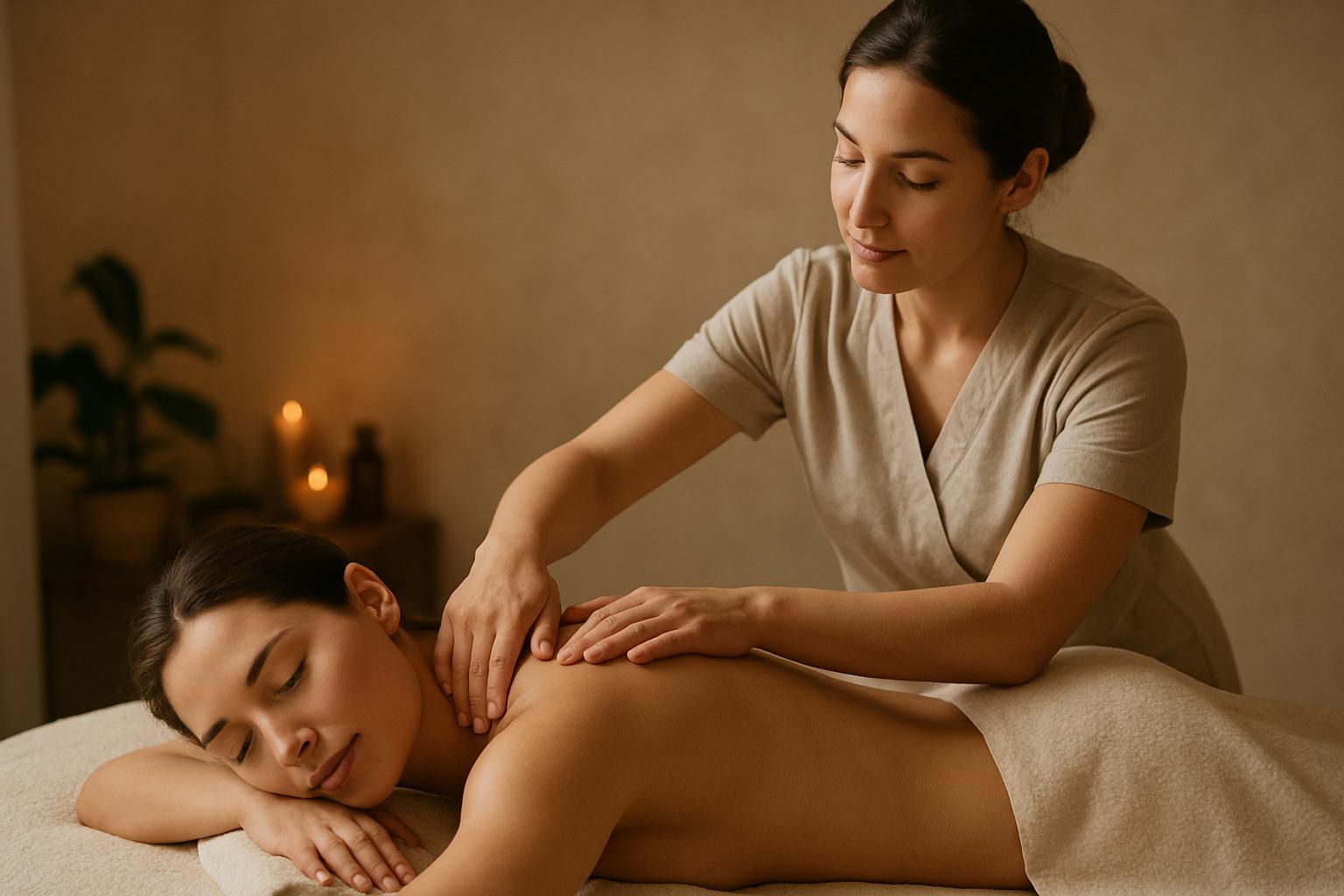

Body rub massage is a hands-on therapy that blends touch, pressure, and rhythm to ease muscle tension, improve circulation, and promote relaxation. It’s a broad term that covers many techniques and settings, from spa-style relaxation sessions to focused therapeutic work on problem areas. Understanding what a body rub massage involves helps you choose the right approach for your needs and get the most from a session.
In this guide I’ll walk you step by step through definitions, benefits, styles, preparation, techniques, safety notes, and aftercare. The goal is practical: by the end you’ll know how a session unfolds, what to expect, and how to decide whether a particular style or practitioner is the best fit. Read on for detailed, actionable information.
What Is a Body Rub Massage?
At its simplest, a body rub massage uses manual manipulation of soft tissues—muscles, fascia, and skin—performed with hands, forearms, or sometimes tools. The practitioner uses strokes, kneading, compression and stretching to influence muscle tone, relieve knots, and stimulate blood and lymph flow. Sessions vary by pressure, technique and intent: relaxation, pain relief, or mobility improvement.
Terminology can vary by region and business. Some places use «body rub» as a synonym for therapeutic massage, while others may use it to mean a lighter, spa-oriented treatment focused on relaxation. Regardless of the label, a well-delivered session is intentional: the practitioner listens to cues from your body and adjusts pressure and technique accordingly.
Benefits of Body Rub Massage
The immediate effect of a massage often feels like a loosened, calmer body. Reduced muscle tension and increased blood flow are the physical effects people notice first. Beneath that surface, repeated sessions can help with range of motion, sleep quality, and a general lowering of stress hormone levels.
Benefits can be grouped into physical, mental, and functional categories. Physically, you may experience less soreness and fewer headaches. Mentally, people report clearer thinking and a reduction in anxiety. Functionally, consistent work on tight areas can restore movement patterns and make daily activities easier.
- Relief from muscle tension and stiffness
- Improved circulation and lymphatic drainage
- Reduced stress and improved sleep
- Better joint mobility and posture
- Support for injury recovery when combined with other therapies
Common Types and Styles
There are many styles under the umbrella of body rub massage, each with a different focus and rhythm. Swedish massage uses long, flowing strokes for relaxation. Deep tissue targets deeper layers of muscle with slower, firmer pressure. Sports massage combines techniques to prepare or recover athletic tissue. Each style has a particular vocabulary of strokes and a typical session length.
Choosing a style depends on your purpose. If your goal is to unwind after a busy week, a gentler approach is likely best. For chronic tightness or postural issues, deeper, focused sessions often deliver better results. A skilled practitioner can blend methods to suit your needs rather than sticking rigidly to one school.
| Type | Typical Pressure | Usual Duration | Common Uses |
|---|---|---|---|
| Swedish | Light to medium | 30–90 minutes | Relaxation, circulation |
| Deep tissue | Firm | 45–90 minutes | Chronic tightness, pain |
| Sports | Medium to firm | 45–75 minutes | Injury prep/recovery, flexibility |
| Myofascial release | Gentle to medium | 30–90 minutes | Restricted movement, adhesions |
- Swedish: long strokes, effleurage and light kneading.
- Deep tissue: sustained pressure to break down adhesions.
- Sports: targeted work with stretching components.
- Myofascial: gentle sustained holds to free fascial restrictions.
Preparing for a Session
Preparation helps a session go smoothly and increases its benefits. Before your appointment, hydrate well and avoid heavy meals right beforehand. Wear loose clothing to the appointment and arrive a few minutes early so you can complete intake information and discuss any concerns with the practitioner.
Communication at the start is essential: mention injuries, recent surgeries, medications, or areas of special sensitivity. If you have a medical condition—autoimmune disease, blood clotting issues, or severe osteoporosis—bring documentation or get clearance from your healthcare provider. Honesty about pain levels also helps the practitioner tailor pressure safely.
- Hydrate and avoid alcohol before the session.
- Note any current medications and recent injuries.
- Arrive early to fill out intake forms and discuss goals.
- Dress comfortably and follow the practitioner’s draping protocol.
Step-by-Step Massage Technique
The following step-by-step outline describes a typical full-body treatment, mixing relaxation and therapeutic elements. Adapt pressure and duration to match client needs. The sequence emphasizes whole-body flow while allowing for focused work on trouble spots.
Use this as a template rather than a rigid script. An experienced practitioner reads tissue quality and adjusts timing; a self-practice or partner session should err on the side of gentleness and constant communication about comfort.
- Initial consultation: brief verbal check-in and setting of goals.
- Positioning and draping: client lies on the table; ensure warmth and privacy.
- Begin with broad strokes (effleurage) to warm tissues and establish rhythm.
- Progress to circulatory work and kneading on larger muscle groups (back, glutes, thighs).
- Spend extra time on specific tight spots with friction or compression.
- Incorporate gentle stretches or joint mobilizations if appropriate.
- Finish with light strokes to calm the nervous system and signal session end.
- Post-session check-in to assess response and give aftercare advice.
Key Techniques Explained
Effleurage refers to long gliding strokes that spread oil and soothe the nervous system. It’s how most sessions begin and end because it warms tissue and establishes communication between the hands and body. Effleurage can be as light as a feather-touch or as firm as a broad palm glide.
Petrissage includes kneading, rolling and lifting of muscle tissue. This technique brings blood to deeper layers and helps break up tight bands. Friction work is a focused, cross-fiber pressure used on adhesions and trigger points—useful but potentially sensitive, so communicate with the client.
Safety, Contraindications, and Red Flags
Massage is generally safe, but it isn’t appropriate for everyone or every condition. Acute inflammation, open wounds, contagious skin conditions, recent deep vein thrombosis, and certain uncontrolled cardiovascular issues are reasons to avoid or modify treatment. When in doubt, seek medical clearance before proceeding.
Watch for signs that a technique is too intense: sharp pain, numbness, or prolonged soreness after a session. These are red flags that pressure should be reduced or that a referral to a medical professional is needed. Practitioners must practice within their training and refer complex cases to appropriate clinicians.
- Avoid deep pressure over fractures, varicose veins, or infected areas.
- Defer massage with fever, acute illness, or during the first trimester of pregnancy without clearance.
- Stop immediately if the client experiences dizziness, shortness of breath, or chest pain.
Choosing a Practitioner and Setting
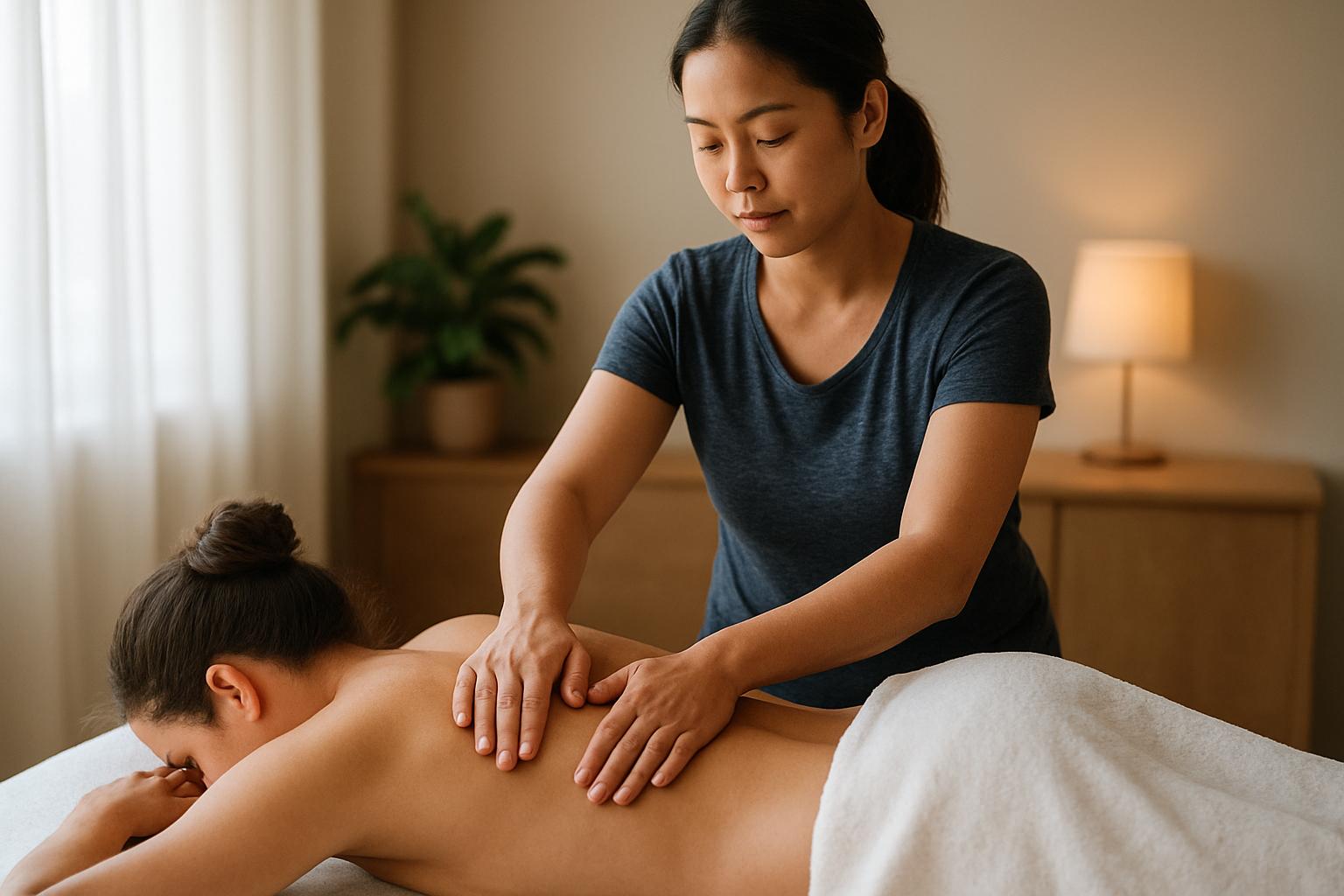
Selecting a practitioner is as much about technical skill as it is about rapport. Certified or licensed therapists have training and must adhere to professional standards. Read reviews, ask about continuing education, and request a preliminary conversation to describe your goals and comfort level.
The environment should feel clean, private and comfortable. Draping practices protect your modesty and warmth; a respectful practitioner explains what will happen and obtains consent for each area they work on. Trust and clear boundaries are essential for effective treatment.
- Verify credentials and insurance coverage for the practitioner.
- Ask about specialties: sports, prenatal, medical massage, etc.
- Confirm sanitation practices and draping policies.
- Request a patch test if you have sensitive skin or allergies to oils.
Aftercare and Follow-Up
After a session, simple aftercare enhances and extends the benefits. Drink water to help flush metabolic byproducts released from tissues. Gentle movement—walking or light stretching—can prevent stiffness. Heat or an ice pack may be used for comfort depending on whether you have inflammation or tight muscles.
Keep track of how you feel in the hours and days following treatment. Mild, short-lived soreness can be normal after deeper work, but persistent pain or swelling is not. Schedule follow-up sessions based on your goals: relaxation may need monthly maintenance, while chronic conditions often benefit from a series with progressively adjusted focus.
- Hydrate well for 24 hours after the session.
- Use gentle stretching to reinforce improved range of motion.
- Note any adverse reactions and inform your practitioner.
- Plan regular sessions when addressing chronic issues for best results.
Practical Tips for Self-Application
If a professional session isn’t available, self-massage can provide meaningful relief. Use a foam roller, massage ball, or simply your hands to work tight areas. Keep movements slow and avoid aggressive rolling over sensitive structures like the low back unless you know proper technique.
Target areas that accumulate tension: neck, shoulders, calves and feet. Short, frequent sessions—five to ten minutes per area—are often more effective than a single long session. Record what techniques and pressures bring relief so you can repeat what works.
- Warm tissue with light strokes before applying deeper pressure.
- Focus on breath: exhale during deeper presses to help muscles relax.
- Use tools for reach: massage balls for the back, foam rollers for large muscle groups.
- Stop if you experience sharp pain or pins-and-needles sensations.
Conclusion
Body rub massage is a versatile, hands-on approach that can reduce tension, improve circulation, and support recovery when practiced thoughtfully and safely; prepare well, communicate clearly, choose a qualified practitioner, and follow aftercare to get the best results.