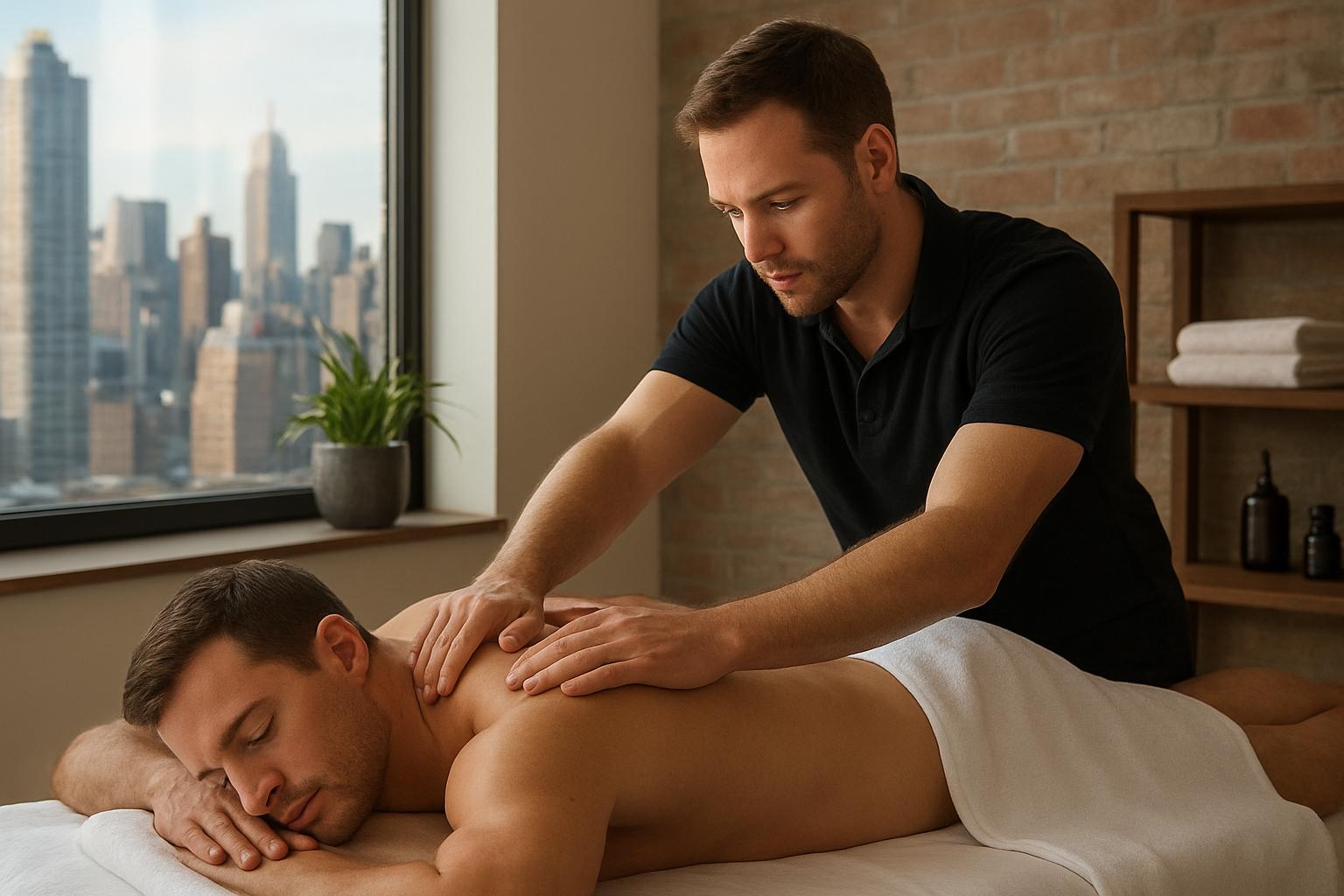

Manhattan moves fast. Whether you live here or are visiting for a week, the pressure—literal and figurative—builds up. Adult massage services in Manhattan range from neighborhood clinics to luxurious spas, and each one offers different approaches to relaxation and therapeutic relief. This article walks you through what these services are, how to find a reputable provider, what to expect during a session, and how to get the most value from your time on the table.
Rather than a list of slogans, you’ll get specific, actionable advice: where to look, how to evaluate options, a step-by-step booking process, etiquette, pricing benchmarks, and practical aftercare. Read this as a map for making informed choices in one of the busiest cities on earth.
Understanding Adult Massage Services in Manhattan
“Adult massage” covers a wide spectrum. At one end are clinical, therapeutic sessions focused on injury recovery and chronic pain; at the other are relaxation treatments designed to reduce stress and improve sleep. Many Manhattan establishments blend modalities—Swedish, deep tissue, sports, trigger point therapy, and shiatsu—into bespoke sessions tailored to your needs.
Knowing the purpose of your visit clarifies what to search for. If you need relief from shoulder pain related to desk work, look for licensed massage therapists with clinical credentials. If you want a calming experience after a long flight, a spa offering Swedish or aromatherapy massage will be a better match.
Legal, Health, and Safety Considerations
New York City requires certain health and business licenses for massage establishments and individual practitioners. Always confirm that the therapist is licensed by the New York State Office of the Professions or the relevant local board. This protects you and ensures practitioners meet training standards.
Health and safety also mean clear communication. Reputable providers will ask about allergies, recent surgeries, skin conditions, and any health issues. They should explain their sanitation policies, the materials used (oils, lotions), and how they protect client privacy.
Where to Find Reputable Providers
Start with trusted, review-based platforms and official directories. Look for verified reviews, recent photos of the facility, and clear cancellation policies. Personal recommendations from friends or co-workers who have similar needs are especially useful in Manhattan’s dense market.
Neighborhood matters. Midtown and the Financial District have many spa options geared to quick pre- or post-work sessions. The East and West Village offer smaller, often more personal studios with a community feel. Research the area, read profiles, and compare multiple options before choosing.
Checklist: What to Verify Before Booking
- Valid license or certification for the therapist
- Clean, professional facility photos and clear contact information
- Transparent pricing and session lengths
- Cancellation and refund policy
- Client privacy measures and consent forms
These checks save time and reduce the chance of unpleasant surprises. If something doesn’t check out, move on—Manhattan has plenty of alternatives.
Types of Massage Commonly Offered
Understanding modalities helps you match therapy to need. Below is a concise overview of popular options you’ll see across Manhattan spas and clinics. Each method has strengths depending on whether your goal is relaxation, rehabilitation, or performance enhancement.
Providers often combine techniques during a single session, so don’t be surprised if your therapist uses both Swedish strokes and focused trigger-point work in one appointment.
- Swedish massage — long, flowing strokes for relaxation and circulation
- Deep tissue — firm pressure to release chronic muscle tension
- Sports massage — targeted work for athletes and active people
- Shiatsu and acupressure — pressure-based techniques drawn from Eastern traditions
- Myofascial release — gentle pressure to ease connective tissue restrictions
Step-by-Step: How to Choose and Book an Appointment
Choosing a provider in a city with countless options can feel overwhelming. Breaking the process into steps makes it manageable and efficient. Follow these steps to find a match that fits your schedule, budget, and therapeutic goals.
- Define your objective: relaxation, pain relief, or recovery.
- Search for providers with relevant specialties and current reviews.
- Verify credentials and hygiene practices through the clinic’s website or phone call.
- Compare prices and session lengths—most Manhattan sessions run 30, 60, or 90 minutes.
- Book directly through a verified booking platform or by calling the studio.
- Confirm arrival instructions, what to wear, and cancellation policies.
These steps help avoid last-minute friction. Manhattan’s pace rewards those who plan: weekdays may offer off-peak rates, while weekends often need advance reservations.
What to Expect During a Session
Arrive a few minutes early to complete any intake forms and to discuss goals with your therapist. The conversation is brief but essential: mention pain points, medical conditions, pressure preference, and any areas to avoid. A competent therapist will outline the session flow and ask for consent before starting.
Most sessions begin with lighter strokes to warm muscles, followed by deeper work where needed, and end with soothing techniques to restore balance. Communication is encouraged—say if the pressure is too intense or a technique causes discomfort.
Session Etiquette and Comfort
Therapist-client boundaries are important. Dress how you’re comfortable; professionals will explain when and how to disrobe safely and will provide draping for privacy. Silence is common, but you can request music or conversation. Respect the therapist’s guidelines about touch and requests beyond professional scope.
Pricing, Packages, and Value
Prices in Manhattan vary widely. Expect a range rather than a fixed rate. Location, therapist experience, and the spa’s ambiance influence cost. Midtown luxury spas will be at the higher end; independent practitioners and community clinics often charge less.
Packages for multiple sessions can reduce per-session cost and are worthwhile for ongoing therapy. Always read fine print: some packages expire, others are nonrefundable.
| Type of Session | Typical Length | Price Range (Manhattan) | Best For |
|---|---|---|---|
| Swedish/Relaxation | 30–90 minutes | $70–$220 | Stress relief, general relaxation |
| Deep Tissue/Sports | 60–90 minutes | $100–$260 | Chronic tension, athletic recovery |
| Medical/Therapeutic | 45–90 minutes | $90–$300 | Injury rehab, chronic conditions |
Use the table as a quick pricing check. Individual clinics may charge outside these ranges, but the table sets realistic expectations.
Practical Tips for First-Timers
First visits are easier if you prepare. Hydrate before and after, avoid heavy meals immediately prior, and wear comfortable clothing that’s easy to change out of. Bring a copy of any relevant medical records if your session is therapeutic in nature.
Honesty is the simplest path to a productive session. Tell the therapist about medications, recent treatments, or areas of sensitivity. If you feel anxious about the environment, request a calm room or a therapist who can accommodate sensitivity to scents or noise.
Useful Reminders
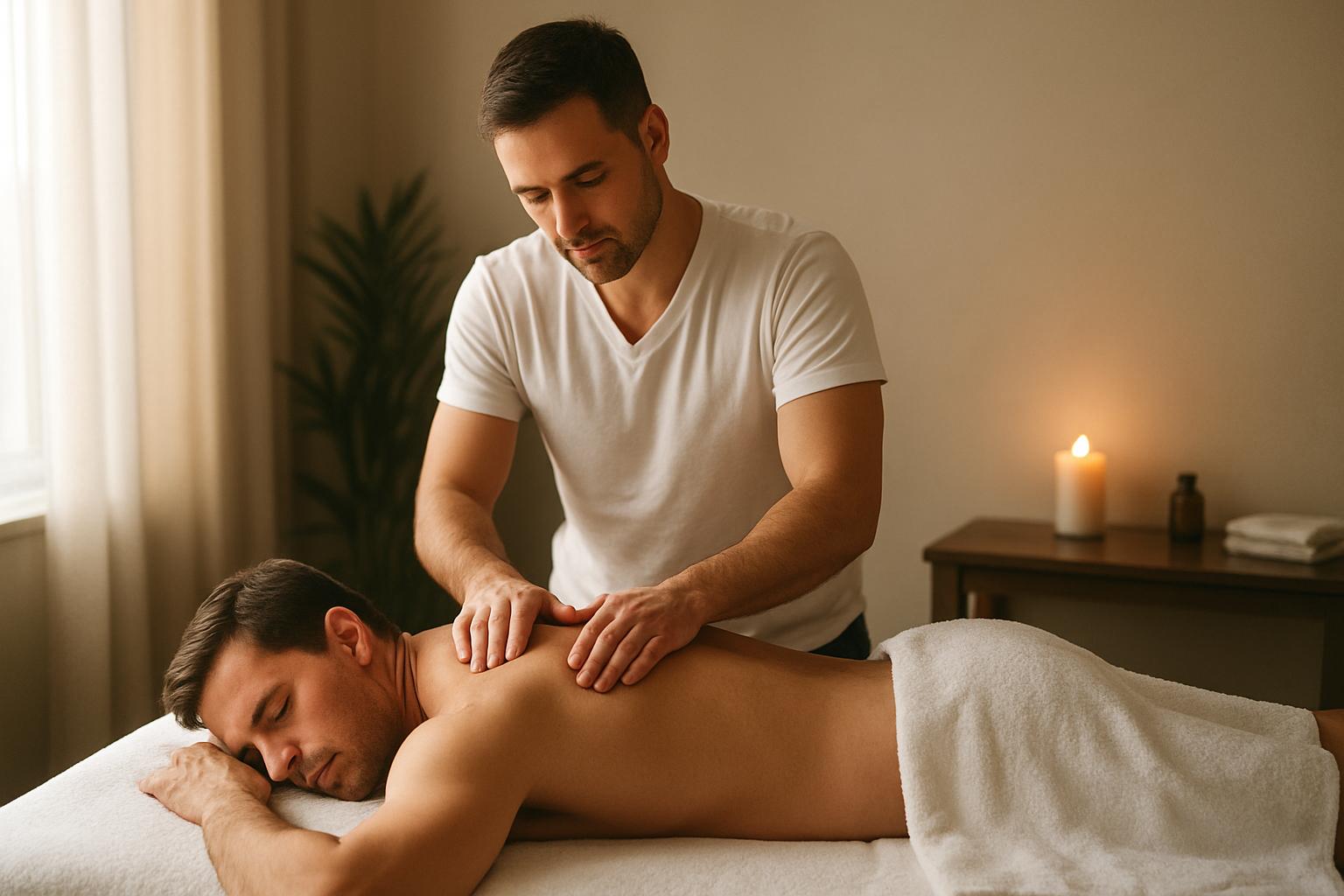
- Tip between 15–25% for independent therapists; check spa policy for service fees.
- If you must cancel, do so as early as possible to avoid penalties.
- Keep a short post-session log: what felt better, and what didn’t—this helps future sessions.
Follow-Up and Aftercare
Aftercare matters. Drink water, move gently, and avoid heavy exercise for the rest of the day if you had deep work. Apply heat to sore spots if recommended, or use gentle stretching routines suggested by your therapist.
If your pain worsens or you experience unusual symptoms after a session, contact the clinic immediately and follow up with your primary care provider. Good establishments will welcome follow-up questions and adjust future treatment plans based on your feedback.
Finding Balance: Frequency and Long-Term Planning
How often should you schedule sessions? There’s no one-size-fits-all answer. For chronic issues, a weekly or biweekly plan may be appropriate at first, tapering as symptoms improve. For general relaxation, monthly maintenance sessions are common.
Consider combining massage with complementary practices—physical therapy, yoga, or chiropractic care—for a more comprehensive approach. Discuss an integrated plan with your therapist so sessions support longer-term goals rather than offering temporary relief only.
Conclusion
Choosing an adult massage in Manhattan becomes straightforward when you define your goals, vet providers, follow a simple booking routine, and prioritize safety and communication; prepare, attend, and follow up thoughtfully, and you’ll turn a single session into an effective habit for health and stress management.