
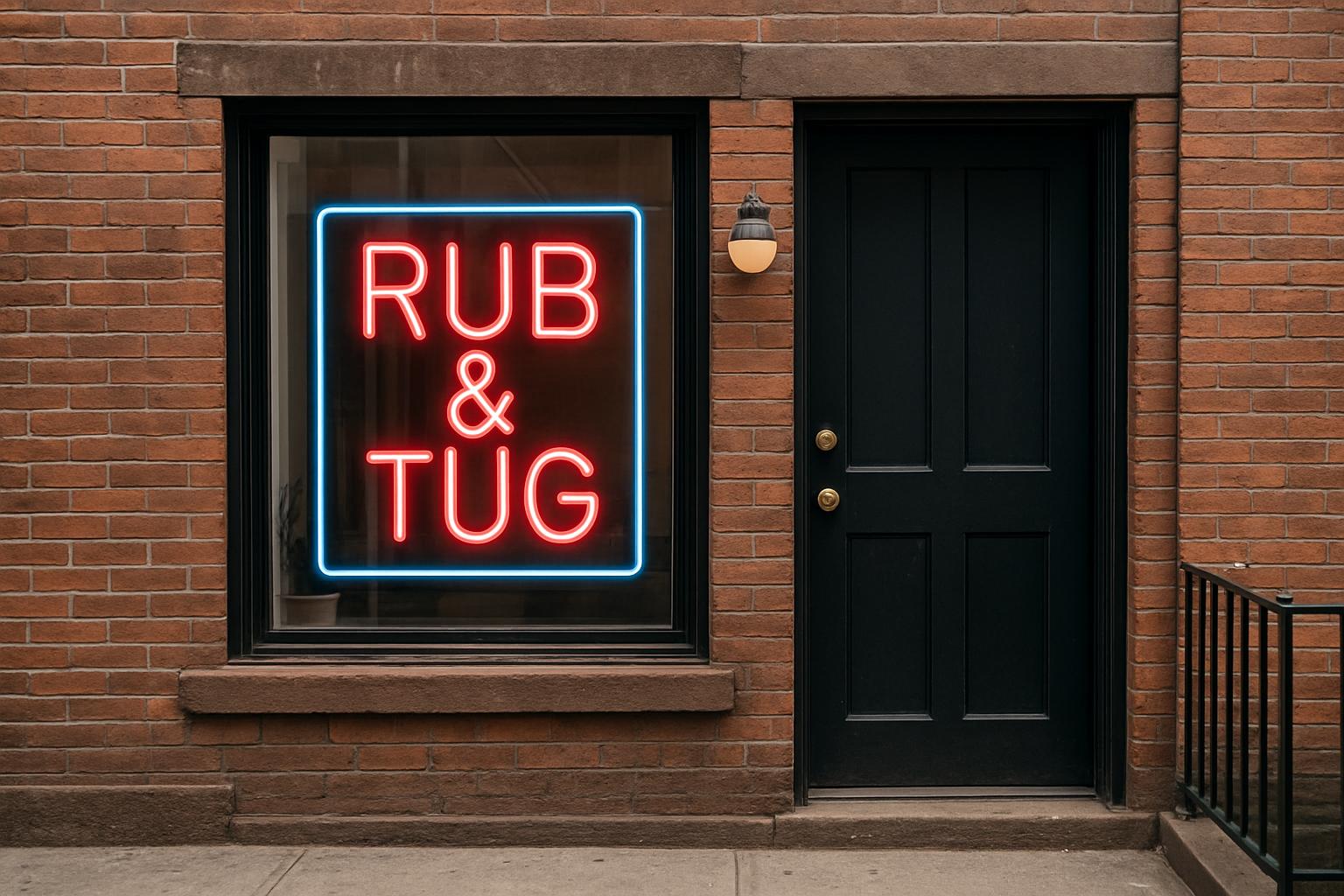
The phrase «rub n tug» has long been used in slang to refer to massage venues that cross the line into sexual services. In New York City that line matters: licensed massage therapists operate under state law and professional standards, while sexualized, unlicensed activity is illegal and can be dangerous. This article helps you navigate the landscape without encouraging illegal or unsafe behavior.
I’ll walk you through the legal framework, practical steps to find reputable massage providers, what to expect from legitimate services, how to spot red flags, and alternatives if you’re looking for intimacy or sensual experiences through lawful channels. Read on for a step-by-step approach that balances curiosity with caution.
Understanding the Term and Legal Context in NYC
“Rub n tug” is shorthand—the kind of casual language that hides consequences. In New York State, massage therapy is a regulated health profession: practitioners must hold credentials, adhere to hygiene and safety standards, and operate from licensed facilities. Any establishment offering sexual services in exchange for money may be engaging in activities that violate criminal and regulatory law.
That legal framework exists for good reasons. Proper training ensures therapists understand anatomy, contraindications, and boundaries; licensing bodies investigate complaints and can revoke privileges. When you choose a licensed provider you get basic protection: professional accountability, insurance coverage, and established standards for client safety and consent.
How to Find Reputable, Licensed Massage Therapists — Step by Step
Finding a trustworthy massage therapist takes deliberate steps. There are many excellent practitioners in NYC; the process below helps you separate a skilled, legitimate professional from an operator who cuts corners or promises illegal services.
Follow these practical steps before booking an appointment. Each one reduces risk and increases the likelihood of a positive, lawful experience.
- Verify credentials: Ask whether the therapist is licensed in New York State. You can verify credentials with the state licensing board. Licensed therapists will generally list their license number and training.
- Check the venue: Look for a physical address, clear pricing, and a visible privacy policy. Reputable spas and clinics have a discernible online presence—sites, booking pages, and verified reviews.
- Read reviews and confirm details: Use multiple sources (Google, Yelp, SpaFinder) to see consistent feedback. Beware listings that focus on sexual language rather than technique, atmosphere, or results.
- Ask questions before arrival: Confirm modality (Swedish, deep tissue, sports, etc.), session length, draping practices, and cancellation policies. A professional will answer plainly and respect boundaries.
- Observe during check-in: A legitimate practice checks IDs as needed, explains intake forms, and offers a quiet, clean environment. If staff push unusual requests or ask you to pay in cash only for unorthodox reasons, consider leaving.
These steps are simple but effective. They create layers of verification so you don’t have to rely on guesswork or risky assumptions.
Red Flags to Avoid
Not every odd detail is a deal-breaker, but some signals clearly point to unlicensed or illegal activity. Pay attention to these warning signs; they are often the fastest way to avoid trouble.
- Prices that are unusually low or described with sexual innuendo.
- Requests to remove all clothing or promises of “extra” services off the menu.
- Operators who refuse to provide a business address, license number, or any paperwork.
- Inconsistent online presence: listings that appear and disappear, or profiles with only sexualized photos and no service descriptions.
- Cash-only transactions with a strong push to avoid receipts or record-keeping.
When you notice several of these indicators together, it’s a sign to step away. Your safety and legal exposure aren’t worth a bargain or a promise.
What Legitimate Massage Services Look Like
Legitimate massage services are clear about what they provide: the modality, the typical benefits, session length, pricing, and the therapist’s qualifications. They emphasize client comfort, confidentiality, and informed consent. You’ll find a standard menu of treatments at reputable spas and clinics, often with packages for athletes, stress relief, or relaxation.
Here are common modalities and typical uses so you can recognize a legitimate offering when you see one:
- Swedish massage — gentle, long strokes for relaxation and circulation.
- Deep tissue — focused pressure to address chronic muscle tension.
- Sports massage — targeted work supporting athletes before or after events.
- Thai and Shiatsu — modality-specific techniques with different approaches to stretching and pressure.
- Specialty treatments — hot stone, prenatal massage (with certifications), and cupping.
Below is a compact comparison to help you set expectations for time, cost, and suitability.
| Modality | Typical Duration | Typical Price Range (NYC) | Best For |
|---|---|---|---|
| Swedish | 50–90 minutes | $80–$160 | Relaxation, circulation |
| Deep Tissue | 50–90 minutes | $90–$180 | Chronic tension, sore muscles |
| Sports | 30–90 minutes | $70–$170 | Pre/post event recovery |
| Thai/Modalities with assisted stretching | 60–120 minutes | $90–$200 | Flexibility, mobility |
Where to Look: Recommended Venues and Booking Methods
In a city as large as New York you’ll find options across a broad price and service spectrum. Rather than a fixed “best” list, think in categories: luxury day spas, specialized clinics, neighborhood massage studios, chains with standardized training, and licensed mobile therapists.
Luxury day spas offer a full experience—steam rooms, relaxation lounges, and packages—while neighborhood studios and independent licensed therapists often provide focused, affordable care. Chains can be a dependable option when you want consistent standards. Use booking platforms like SpaFinder, Mindbody, and mainstream review sites to cross-reference listings and read vetted feedback.
Examples of reputable types of venues you can explore include established day spas known for consistency, licensed physical therapy clinics that offer therapeutic massage, and certified therapists who list their license numbers online. Always confirm credentials and policies before you arrive.
Pricing, Tipping, and Etiquette
Understand pricing so you don’t misinterpret affordability for low quality. New York City prices reflect rent, operating costs, and practitioner experience. A below-market price might mean shorter sessions, inexperienced therapists, or worse—an unlicensed operation.
Tipping is customary in the U.S.; for therapeutic work a 15–25% tip is common, and you can adjust based on service quality. Etiquette includes arriving early, communicating preferences and medical history, and accepting offered draping—therapists are trained to maintain client modesty and safety.
- Bring clear communication: say if pressure is too strong or an area is off-limits.
- Drape is standard; do not assume disrobing beyond what your comfort level allows.
- If a therapist behaves inappropriately, end the session and file a complaint with the venue and the licensing board.
Safety, Consent, and Reporting Illegal Activity
Your safety and the wellbeing of others come first. If you encounter or suspect illegal activity—sexual services being offered by an unlicensed venue, coercion, or trafficking—there are responsible steps you can take without putting yourself at risk.
Report immediate danger to local law enforcement. If you suspect human trafficking, contact the National Human Trafficking Hotline at 1-888-373-7888. For licensing complaints, the New York State licensing board for massage therapy fields concerns about unlicensed practice and professional misconduct. Sharing clear, factual details helps investigators act.
Preserve evidence: take screenshots of advertisements or messages, note dates and times, and avoid confrontations. When in doubt, prioritize contacting authorities or specialized hotlines rather than trying to resolve the issue on your own.
Alternatives to Seeking Sexualized Services
If your interest is in sensual or intimate experiences rather than therapeutic massage, there are lawful alternatives that respect consent and safety. Couples’ massages at reputable spas, workshops on consensual touch or tantra offered by licensed instructors, and partner massage classes can provide closeness without illegal activity.
Dating and adult social communities also organize events and experiences aimed at consensual adults; vet those organizers carefully, prefer events with clear policies, and never engage in anything that feels coerced or unsafe.
- Couples’ massage packages at licensed spas—structured, intimate, and legal.
- Workshops on therapeutic touch or tantric practices taught by credentialed instructors.
- Professional, consensual adult venues that operate transparently and within the law.
Practical Checklist Before You Book
Use this short checklist the next time you search for a massage in NYC. It’s a compact way to confirm that you’re choosing a professional, licensed environment.
- Verify license number with the state licensing board.
- Confirm the modality and the therapist’s training for that technique.
- Check for a physical address, clear pricing, and written policies.
- Read multiple reviews from reliable platforms and watch for consistent feedback.
- Ask about draping, consent, and cancellation policies before you arrive.
These steps take only a few minutes and greatly reduce the risk of an uncomfortable or unlawful encounter.
Conclusion
The safe, legal path in New York City is to seek licensed massage therapists and reputable spas, verify credentials, watch for red flags, and use alternatives like couples’ massages or workshops for non-therapeutic intimacy; avoid any venue that hints at illicit services and report suspected illegal activity to the appropriate authorities.