
“Bodyrubs” is a catch-all term people use when looking for hands-on therapies that range from clinical massage to spa-style relaxation and, in some cases, services that blur into erotic territory. In New York, that mix of meanings matters: where you go, who practices, and what is legal differ depending on what you expect. This guide walks you step by step through the landscape in New York — what different offerings mean, how to verify credentials, how to prepare for a session, and how to protect your health and your wallet.
Whether you want a therapeutic session for chronic pain, a quick chair massage during a busy day, or a relaxing spa treatment, understanding the terminology and the local rules helps you make a confident choice. Read on for practical checks, red flags, and realistic price and etiquette expectations across the state and in New York City specifically.
What “Bodyrubs” Means in New York
The phrase “bodyrub” can refer to a broad spectrum of touch-based services. At one end are licensed or trained practitioners providing clinical massage and bodywork — modalities like Swedish massage, deep tissue, and sports massage — intended to reduce muscle tension, aid recovery, or relieve pain. At the other end are spa treatments focused on relaxation and pampering, such as aromatherapy and hot-stone sessions.
There is also a category of sensual or erotic bodywork. It’s important to recognize that offering sexual services in exchange for money is illegal in many jurisdictions, and such activities may also expose clients and providers to legal and health risks. For clarity and safety, use specific terms when searching: “therapeutic massage,” “sports massage,” or “licensed massage therapist” will return professional options; ambiguous keywords invite mixed results.
Legal and Regulatory Landscape
Regulation in New York is fragmented. New York City has more visible oversight of massage businesses than some upstate municipalities: for example, local agencies require permits and inspections for establishments. At the same time, state-level licensing for massage therapists is not as uniform as in some other states; many therapists instead carry qualifications from accredited schools and memberships in national associations.
Two practical steps reduce legal risk. First, verify a provider’s professional affiliations — membership in the American Massage Therapy Association (AMTA) or Associated Bodywork & Massage Professionals (ABMP) indicates formal training and insurance. Second, check municipal resources: New York City’s consumer protection or licensing agency lists permitted massage establishments and explains local rules. If something feels illicit — promises of sexual services or no paperwork — avoid it and consider reporting the business to local authorities.
Types of Bodyrubs and Typical Offerings
Understanding modalities helps you match expectations to outcomes. Therapists specialize: some focus on relaxation and stress relief, others on therapeutic goals such as sports recovery or rehabilitation after injury. Knowing the common types will make booking smoother and the session more effective.
Below is a compact comparison to help you spot the right service for your needs.
| Modality | Focus / Benefits | Typical Duration | Sample Price Range (NY) | Regulatory Note |
|---|---|---|---|---|
| Swedish Massage | Relaxation, circulation, general stress relief | 30–90 minutes | $60–$160 | Common in licensed spas and clinics |
| Deep Tissue | Release chronic tension, treat muscle knots | 40–90 minutes | $80–$180 | Performed by trained therapists |
| Sports Massage | Injury prevention, athletic recovery | 30–90 minutes | $70–$180 | Often used by athletes and rehab clients |
| Hot Stone / Spa | Deep relaxation, muscle warmth | 60–90 minutes | $90–$200 | Offered in spas with appropriate sanitation |
| Chair Massage | Quick tension relief for neck, shoulders, back | 10–30 minutes | $1–$3 per minute | Mobile and workplace services common |
| Sensual / Erotic Bodywork | Intimacy-focused; not therapeutic | Varies | Varies | Often illegal or unregulated; exercise caution |
How to Find a Reputable Provider in NY
Start with professional directories and local listings that emphasize credentials. National associations maintain searchable member databases. Local health clubs, physical therapy centers, and reputable day spas also employ qualified therapists. Word-of-mouth can be valuable, especially when a friend describes why a particular therapist or clinic suited their issue.
Use the following checklist when evaluating a provider. These checks protect you from untrained or illegal operations and improve the chance of a positive experience.
- Verify credentials and training; ask where the therapist studied and what certifications they hold.
- Confirm business registration or local permits where applicable, especially in New York City.
- Read recent reviews and look for patterns rather than single opinions.
- Ask about sanitation practices, linens, and COVID-19 or vaccination policies if that matters to you.
- Request a clear intake form and a documented privacy policy for your personal details.
Preparing for Your Session
Preparation is simple but important. Arrive a few minutes early to fill out intake forms, list medical conditions, and identify areas of concern. Honest disclosure about medications, surgeries, pregnancies, recent injuries, or skin conditions helps the therapist adjust pressure and techniques safely.
Bring loose clothing and avoid heavy meals immediately before a session. If you have a preference about music, pressure level, or temperature, mention it at the start. For first-time visits, ask how the therapist handles draping and consent so there are no surprises.
During the Session: Etiquette and Boundaries
Professional therapeutic sessions are governed by clear boundaries. Therapists maintain draping to protect your privacy and will ask for permission before working on sensitive areas. Communication is key: tell the therapist when pressure is too light or too intense, and speak up if you feel uncomfortable for any reason.
If a therapist proposes any sexual activity, that is outside the scope of professional, licensed practice in most contexts and should be declined. You have the right to stop the session at any time and leave without penalty if a situation becomes inappropriate.
Health, Safety, and Hygiene
Sanitation practices matter. Clean linens, proper hand hygiene, and sanitized equipment are baseline expectations. Registered clinics and licensed spas typically follow written protocols; independent practitioners should be able to describe their cleaning routines.
Certain medical conditions need special handling: blood clots, uncontrolled hypertension, infectious skin conditions, and acute injuries may contraindicate massage. If in doubt, seek guidance from your primary care physician before booking a session. Licensed therapists will also ask about such conditions during intake.
Pricing, Payments, and Tipping
Prices in New York vary by location, expertise, and venue. A neighborhood spa or independent therapist in upstate areas will often be less expensive than a Manhattan luxury spa. Many businesses offer tiered pricing, packages, or membership discounts for recurring clients.
Tipping norms usually fall between 15% and 25% for table-service sessions; tipping for chair massages or short promotions may be smaller but still appreciated. Clarify cancellation policies when you book and keep receipts for any business-related claims or health reimbursement accounts.
Recognizing Scams and Illegal Operations
Not all places advertising “bodyrubs” operate legitimately. Common warning signs include persistent requests for cash-only payment, explicit promises of sexual services, no written receipt, lack of a physical business address, or practitioners who refuse basic questions about training. Online ads that emphasize “extras” or use veiled sexual language are red flags.
If you encounter a suspicious operation, protect yourself: do not attend, do not share personal details, and consider reporting the listing to the platform where it was posted and to local authorities if illegal activity is suspected. Protecting consumers includes helping enforcement identify problem businesses.
Alternatives and Complementary Options
If a professional massage is not accessible or you prefer self-care, several alternatives can deliver benefit. Foam rolling, percussion massage devices, guided stretching, and yoga are effective for muscle recovery and flexibility. Physical therapists can provide a clinically oriented plan if you have chronic pain or recent injury.
Complementary services like acupuncture, chiropractor care, and supervised exercise programs can work alongside massage. Choose options that align with your goals — relaxation, rehabilitation, or athletic performance — and discuss integrated plans with your healthcare providers when appropriate.
Step-by-Step: How to Book a Safe, Legal Bodyrub in NY
Here is a straightforward process to follow when you decide to book a bodyrub in New York. Each step helps you reduce risk and improve the outcome of the appointment.
- Define your goal: pain relief, relaxation, or recovery. That determines the modality you should seek.
- Search reputable directories and local listings using clear terms like “licensed massage therapist” or “therapeutic massage.”
- Verify credentials and read multiple recent reviews rather than relying on a single endorsement.
- Call or email to ask about training, sanitation, rates, cancellation policy, and intake procedures.
- Book a slot that gives you time to arrive early, complete paperwork, and discuss contraindications.
- During the session, communicate clearly about pressure and comfort; request adjustments as needed.
- After the session, hydrate, note any positive or negative effects, and leave an honest review if you wish to help future clients.
Resources and Contacts
When researching providers or local rules, rely on official and established sources. Professional associations, municipal consumer protection agencies, and state public health pages provide reliable information. If you need to check a business’ legitimacy in New York City, consult the city’s consumer protection or licensing website; upstate municipalities generally publish local business permit information on their official sites.
If you encounter medical adverse effects after a session — such as severe pain, signs of infection, or an unexpected allergic reaction — contact a healthcare professional promptly. For consumer complaints about fraudulent or illegal businesses, reach out to local law enforcement or consumer protection agencies.
Final Practical Tips
Keep a few simple habits that improve every massage experience: discuss your goals before the first touch, arrive slightly early, and always carry a backup payment method. If you plan to see a therapist regularly, build a relationship so sessions can be tailored over time to deliver better results.
And remember: quality bodywork combines skillful technique, clear communication, and professional standards. When those three align, a session can reduce pain, release stress, and leave you feeling restored rather than uncertain.
Conclusion
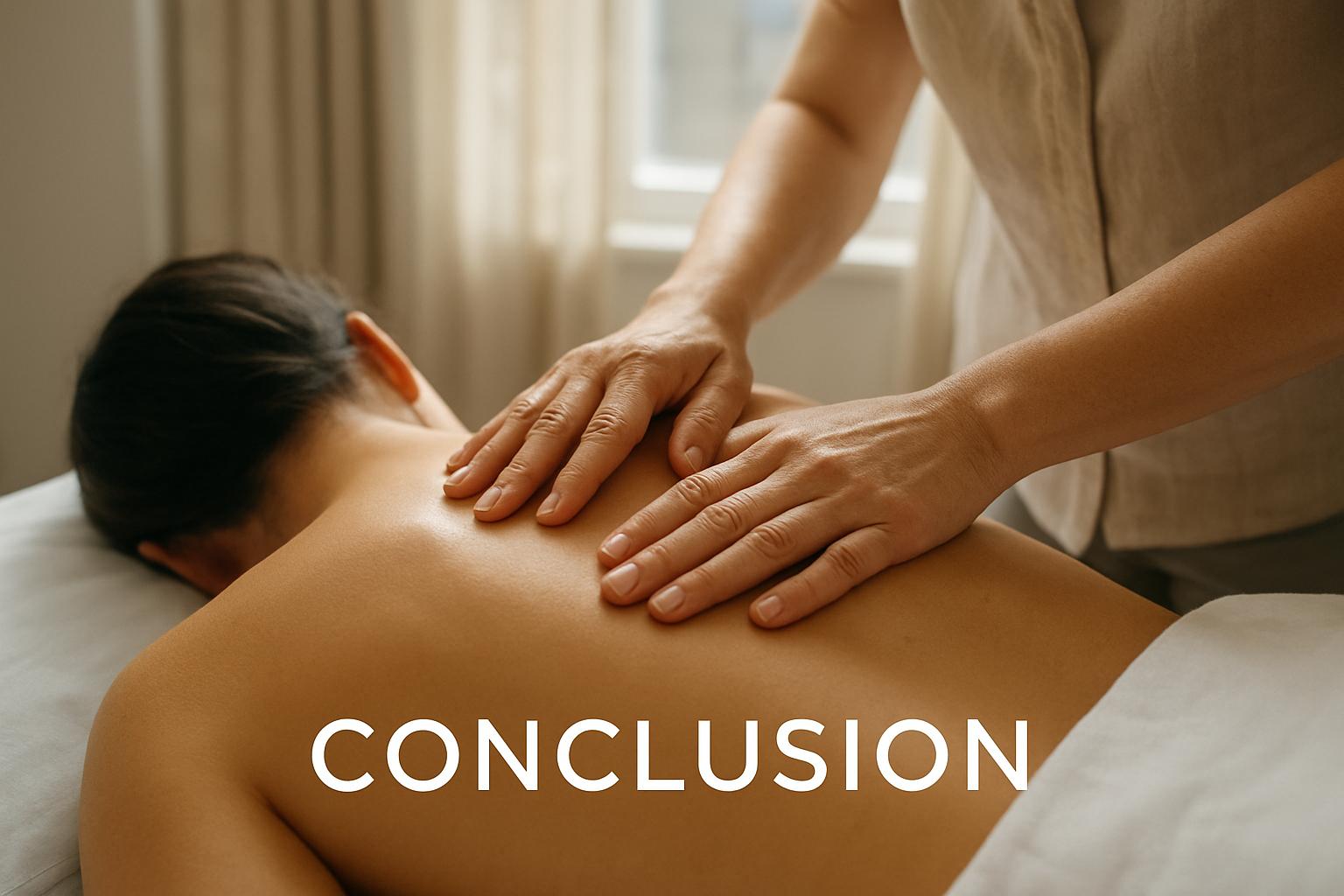
Choosing a bodyrub in New York requires a mix of clear expectations, basic homework, and attention to legality and safety: know the modality you want, verify credentials and permits, communicate openly with the therapist, and avoid businesses that promise sexual services or lack transparency. With those practical steps, you can find reputable, effective touch-based care that meets your needs and protects your wellbeing.