
Massage gel sits between slippery oil and thin lotion: it spreads easily, clings to skin without being greasy, and can be formulated for different purposes—relaxation, sports recovery, or sensitive skin. Whether you are a professional therapist, a fitness enthusiast, or someone who gives the occasional at-home massage, understanding what massage gel is and how to use it will make each session more effective and more pleasant for both parties.
This article walks through the subject step by step. You will learn about common ingredients and varieties, how to choose the right product, safe application techniques, storage and shelf-life, plus simple DIY recipes if you prefer to make your own. Practical comparisons, lists, and a clear table will help you make informed choices.
What Is Massage Gel and How Is It Different?
Massage gel is a semi-solid topical medium used to reduce friction between hands and skin during massage. Unlike oils, gels are often water-based or silicone-based, giving them a lighter, less greasy feel. They provide glide for strokes while still allowing the therapist to maintain control over pressure and grip.
Gels can be formulated with added ingredients—menthol for cooling, arnica for soreness, essential oils for aromatherapy, or hydrating agents for dry skin. Because of their base and additives, different gels suit different purposes: a sports gel might include warming agents, while a therapeutic gel might emphasize anti-inflammatory botanicals.
Common Types and Their Characteristics
Generally, massage gels fall into three broad categories: water-based, oil-based (gel-like emulsions), and silicone-based. Each has strengths and trade-offs you should consider depending on the massage type and client needs.
Water-based gels are easy to wash off and are less likely to stain fabrics. Silicone-based gels provide long-lasting glide with minimal reapplication, and oil-based options can nourish the skin but may feel heavy and require more cleanup.
Ingredients: What to Look For and What to Avoid
Reading ingredient lists helps you identify gels that match your goals. Look for humectants like glycerin or hyaluronic acid if skin hydration is a priority. If you want a warming or cooling effect, check for nicotinate, capsaicin, or menthol. For anti-inflammatory effect, arnica, calendula, or MSM may be included.
Avoid gels that contain common allergens if treating sensitive clients—fragrance, certain essential oils, and some preservatives can trigger reactions. Also be cautious with alcohol-heavy formulas: they evaporate quickly, reducing glide, and can dry the skin.
Common Additives and Their Roles
Botanicals and essential oils add therapeutic properties and scent. Emollients like dimethicone or cyclopentasiloxane smooth the skin. Thickeners such as carbomer or xanthan gum create that gel-like consistency. Preservatives are necessary in water-based formulas to prevent microbial growth; look for safe, modern preservatives rather than outdated or irritating ones.
Understanding these roles helps you pick a product that performs as expected without unnecessary irritation. If in doubt, choose a product labeled hypoallergenic or designed for sensitive skin and patch-test before full application.
How to Choose the Right Massage Gel
Selection depends on the kind of massage you’re doing, the client’s skin type and preferences, and practical concerns like cleanup and fabric staining. A deep-tissue session benefits from a longer-lasting glide, whereas a relaxation massage may benefit from a scented gel that absorbs more readily.
Budget and availability are also factors. Professional-grade gels may cost more but often come in larger containers and have more concentrated formulations. Everyday consumers can find effective drugstore options, but check the ingredient list to match expectations.
Factors to Consider
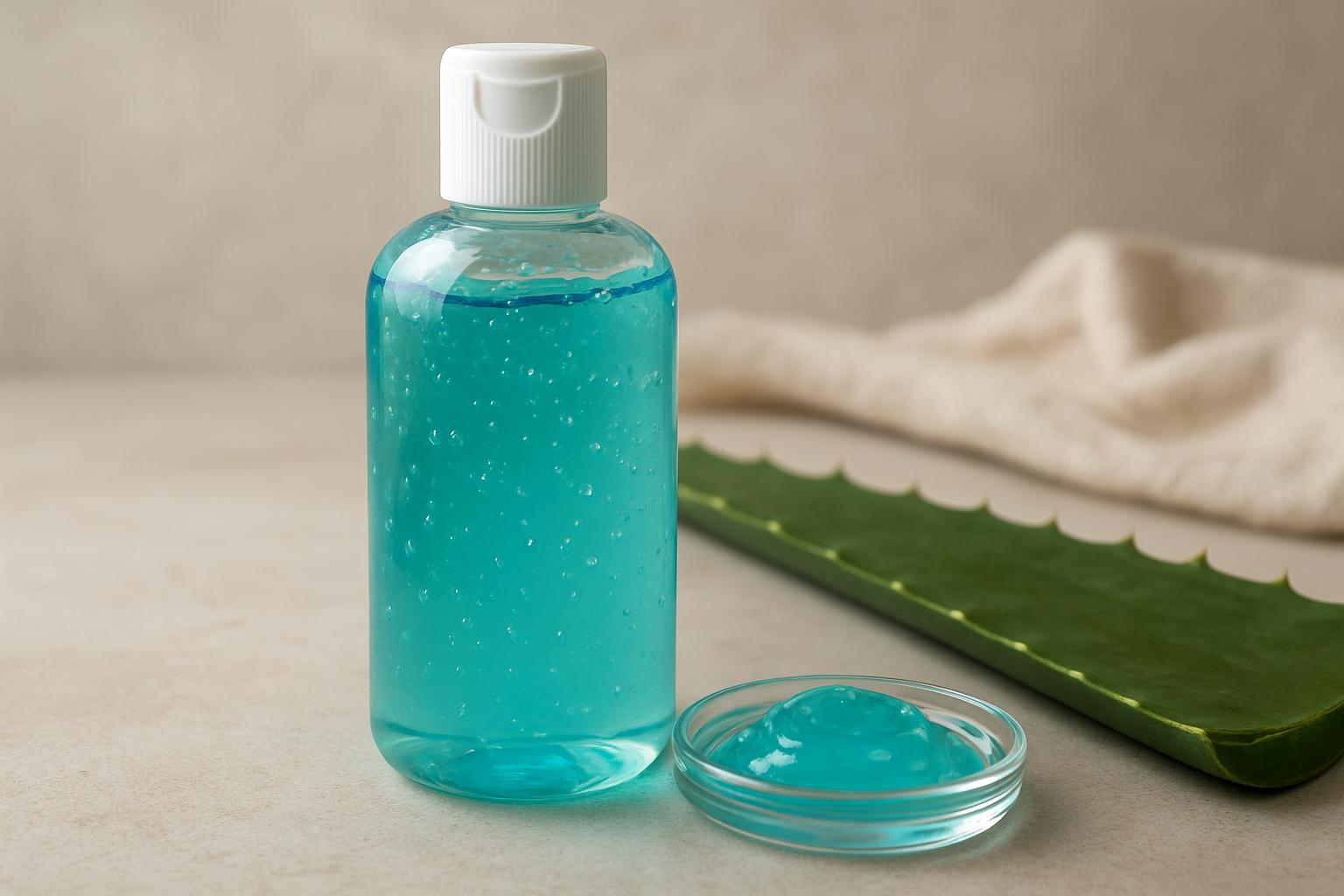
Consider these critical factors when selecting a gel: skin sensitivity, desired glide duration, scent preferences, cleanup ease, and any therapeutic additives. For therapists, consistency and the ability to maintain client warmth during longer sessions are also important.
If a client has allergies or medical conditions, ask questions and perform a small patch test. Many manufacturers provide sample sizes—use them when trying a new product before committing to a large bottle.
Step-by-Step: How to Use Massage Gel Effectively
Applying massage gel is simple, but technique affects both comfort and therapeutic value. The steps below assume a general full-body massage; adapt them for short sessions or specific areas like the neck and shoulders.
- Warm the product: Dispense a small amount into your hands and rub them together to warm the gel. Cold product can cause discomfort, so warming enhances client comfort.
- Start with a thin layer: Apply a modest amount to the area and spread it evenly. Too much product can lead to excessive slip and loss of control; too little creates drag.
- Monitor glide and reapply as needed: Reapply sparingly. Silicone-based gels require less, water-based gels may need more frequent reapplication.
- Adjust pressure and technique: Use appropriate strokes for the goal—long effleurage for warming, kneading for deeper work—and be mindful of bony areas where gel can pool.
- Finish and clean up: Wipe excess gel with a towel. Water-based gels wash off easily with soap and water; silicone and oil-based products may need a cleansing oil or repeated washing.
These steps will help you maintain control, reduce skin irritation, and keep sessions efficient. Always communicate with the client about pressure and temperature.
Benefits, Risks, and Safety Considerations
Massage gels offer improved glide, reduced friction burns, and tailored therapeutic effects through additives. They can enhance comfort and help target problems like muscle tightness or localized inflammation when formulated appropriately.
However, risks exist. Allergic reactions, contact dermatitis, and unintended interactions with medications—especially topical treatments applied to broken skin—are possible. Gels with strong warming agents can cause burns if used improperly or left under wraps.
Safety Checklist
Before using any product, especially on others, follow a simple safety checklist: ask about allergies and medications, avoid broken or infected skin, patch-test if you’re unsure, and stop if irritation occurs. For pregnant clients or those with chronic conditions, consult guidelines or a physician when in doubt.
Keep first-aid supplies handy and be mindful of eye contact—many ingredients can irritate the eyes and mucous membranes. When using gels with active therapeutic agents, follow manufacturer instructions for frequency and amount.
Storage, Shelf-Life, and Hygiene
Most massage gels come with expiry dates or a «period after opening» symbol. Water-based gels are more prone to microbial contamination than silicone-based products, so proper storage is key. Keep containers tightly closed, store in a cool, dry place, and avoid dipping contaminated fingers into product jars.
Dispensing pumps or single-use sachets reduce contamination risk. If a gel changes smell, color, or texture, or if mold appears, discard it. Proper hygiene protects both you and your clients.
Practical Storage Tips
Label bottles with the date you opened them. If you work in a professional setting, rotate product stock so older items are used first. For long-term storage, avoid bathroom cabinets that experience temperature swings and humidity.
When transporting gels to mobile appointments, use leakproof containers and keep them upright. Consider carrying a small bottle of cleanser and spare towels for unexpected spills or stubborn residues.
DIY Massage Gel Recipes and When to Make Your Own
Making your own massage gel can be economical and lets you control ingredients and scent. Simple recipes use a water base thickened with xanthan gum or a tiny amount of aloe vera gel mixed with a carrier oil and an emulsifier to create a stable product.
DIY is best for personal use or small batches for friends and family. For professional use, commercial products are recommended because they are preserved and tested for safety and stability.
Two Simple Recipes
- Basic Water-Based Gel: 1 cup distilled water, 1 tsp xanthan gum, 1 tsp glycerin, a few drops of preservative appropriate for water-based products. Whisk until smooth and let hydrate. Add essential oils only if all users are known to be tolerant.
- Aloe Carrier Gel: 3/4 cup pure aloe vera gel, 2 tbsp jojoba oil, 1/2 tsp vitamin E, optional 5–10 drops lavender essential oil. Blend until uniform. Store in the refrigerator and use within a few weeks.
Always label homemade products with the date made, ingredients, and a note on shelf-life. If any mold or odor develops, discard immediately.
Comparing Massage Mediums
To clarify differences between common mediums, here is a compact comparison of water-based gels, oil-based emulsions, and silicone-based gels. This table highlights glide, washability, and best uses to help match product to purpose.
| Type | Texture / Glide | Washability | Best For |
|---|---|---|---|
| Water-based gel | Light, moderate glide; absorbs faster | Easy to wash with soap and water | Relaxation, sensitive skin, easy cleanup |
| Oil-based emulsion | Rich, long-lasting glide; can feel heavy | May stain fabrics; requires thorough washing | Deep tissue, dry skin treatment |
| Silicone-based gel | Very smooth, long-lasting, minimal reapplication | Resistant to washing; may require oil-based cleansers | Sports massage, long sessions, sparse application |
Consider this table when deciding what to stock. A therapist often keeps at least two types on hand to cover different client needs.
Purchasing Tips and Label Reading
When shopping, prioritize transparent labeling. Ingredients should be listed in descending order by weight. Look for known beneficial ingredients and avoid vague terms like «fragrance» if sensitivity is a concern. Certifications (cruelty-free, organic) may matter to you or your clients and can guide selection.
Buy from reputable brands with clear use instructions and safety data. If using a product in a professional setting, request technical sheets or safety data sheets (SDS) from the supplier to understand any hazards or contraindications.
Services and Sustainability Considerations
Environmental impact is an increasingly common concern. Water-based gels generally have less packaging pollution than single-use oils, but preservative systems and microplastic-containing silicones are considerations. Choose recyclable packaging when possible and avoid products with unnecessary microbeads or harmful persistent solvents.
Finally, talk to colleagues or read professional forums for real-world performance feedback. User experience can reveal issues not obvious from labels alone.
Resources and Further Reading
To deepen your knowledge, consult product SDS sheets, dermatology resources about topical reactions, and professional massage associations for best practices. Manufacturers often publish technical notes that explain ingredient choices and recommended use-cases.
Continuing education courses on sports massage, myofascial release, and aromatherapy can broaden your understanding of how gels interact with different techniques and client needs.
Conclusion
Massage gel is a versatile medium that bridges comfort and control—choose formulations based on the technique, client sensitivity, and cleanup needs; follow safe application and storage practices; and consider making small batches if customization matters. Proper selection and use improve both the therapeutic outcome and the enjoyment of the massage experience.