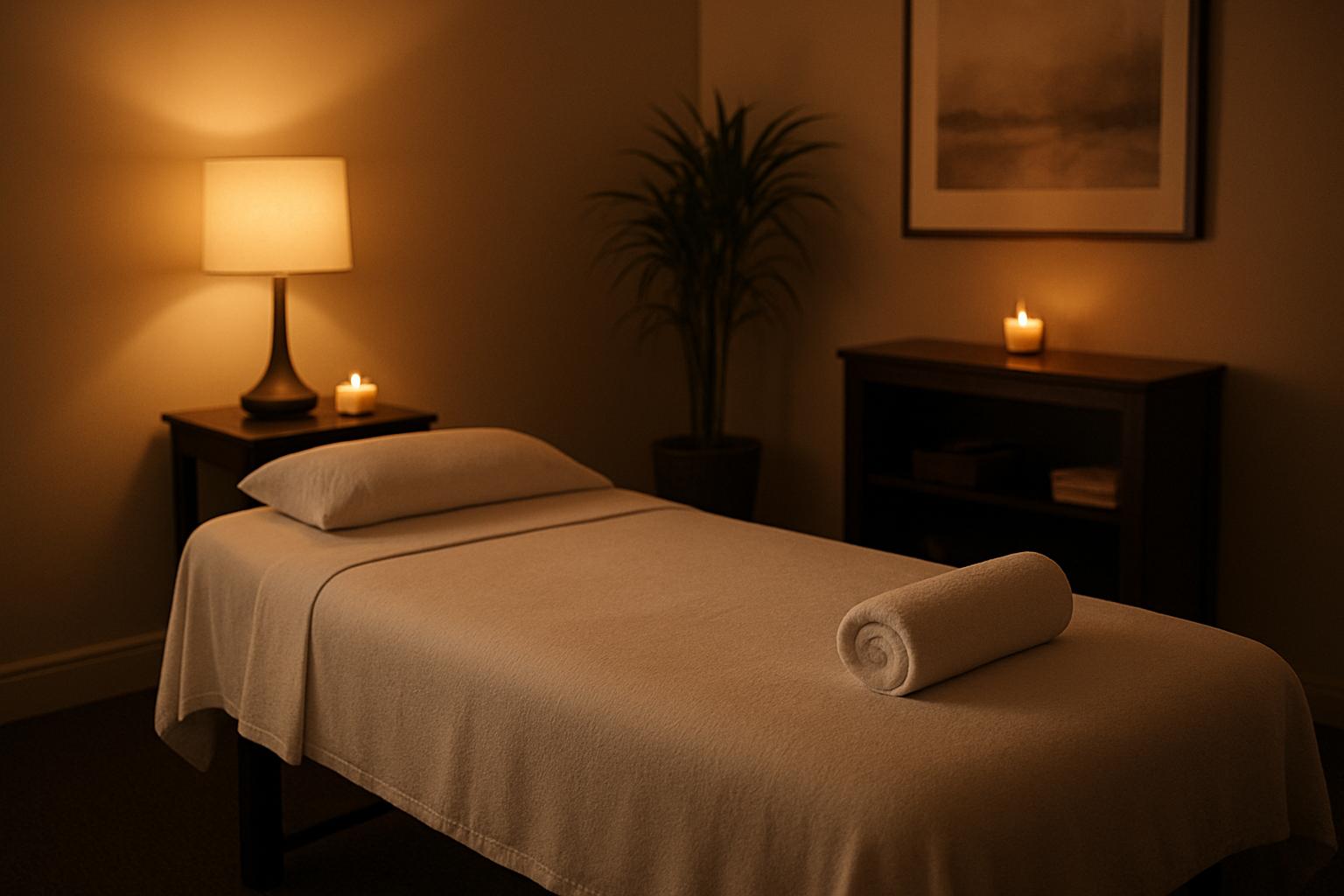

In Montreal, the term «body rubs» is used in different ways by different people. For many it simply means a therapeutic massage or spa-style bodywork: treatments designed to reduce tension, relieve pain, or encourage relaxation. For others the phrase carries different connotations, so it helps to be clear about what you want before you search for or book a session.
This article walks through the landscape of bodywork in Montreal, from the variety of modalities you’ll find to the practical steps for choosing a reputable provider. Read on for how to prepare, what to expect, and how to make sure a session is safe, ethical, and effective.
Understanding the Landscape: What «Body Rubs» Means in Montreal
Language matters. In the city’s directories and online listings you’ll see terms like massage, therapeutic massage, bodywork, and body rubs used alongside each other. Many legitimate clinics and spas use plain terms such as «massage therapy» or «registered massage therapist» to signal clinical training, while some smaller businesses prefer the less specific «body rub.»
Because expectations differ, always read a provider’s description and reviews carefully. A municipal licence, visible credentials on site, and detailed service descriptions are good signals that the business focuses on therapy or wellness. If anything in an ad sounds vague or promises services beyond therapeutic benefit, ask directly before booking.
Types of Bodywork Available in Montreal
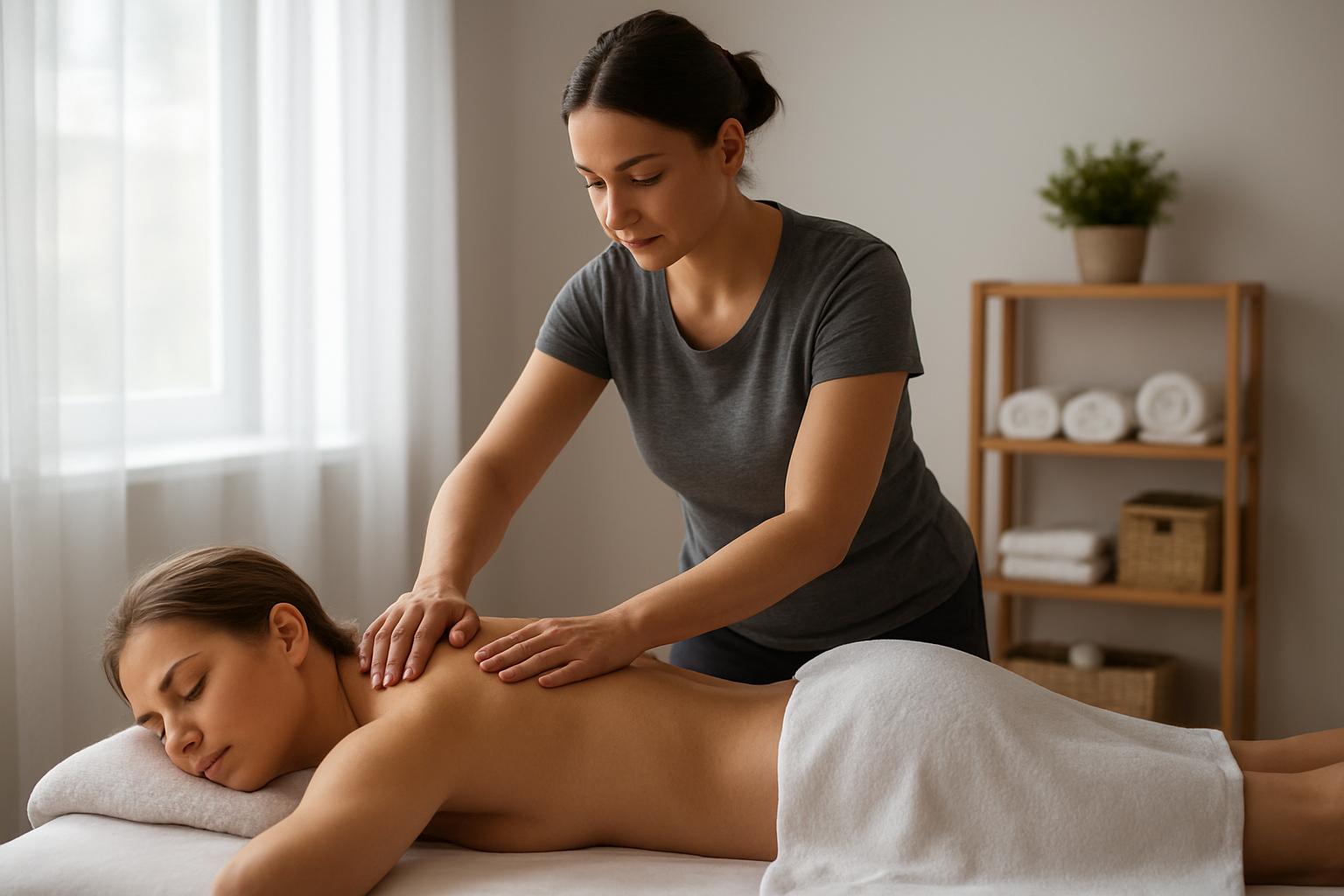
Montreal’s health and wellness scene offers a broad range of bodywork options. Clinics and spas cater to relaxation-seekers and athletes alike, and you’ll find everything from short tension-relief sessions to multi-hour therapeutic appointments.
Below is a simple comparison table showing common modalities, their aims, and typical session lengths. These are general descriptions; individual practitioners may combine techniques or adapt them to your needs.
| Modality | Primary Goal | Typical Duration |
|---|---|---|
| Swedish Massage | Relaxation, increased circulation | 30–90 minutes |
| Deep Tissue | Release chronic muscle tension | 45–90 minutes |
| Sports Massage | Support athletic performance and recovery | 30–90 minutes |
| Reflexology | Stimulate reflex points on feet/hands | 30–60 minutes |
| Hot Stone / Spa Treatments | Deeper relaxation using heat | 60–120 minutes |
Common Modalities and How They Differ
Swedish massage uses long gliding strokes and is ideal for first-time clients. Deep tissue applies firmer pressure and targets knots that resist softer techniques. Sports massage is tailored to an athlete’s needs—working specific muscle groups, pre- or post-event.
Reflexology and some spa treatments are more focused: reflexology on nerve-rich areas of the feet or hands, and spa modalities combining heat, wraps, and aromatherapy. Each approach has a different pace and sensation, so it pays to pick one that matches your goals.
- Swedish — calming, circulation-focused.
- Deep tissue — targeted tension release.
- Sports — performance and recovery oriented.
- Reflexology — point-based stimulation.
- Spa treatments — relaxation and pampering.
Regulation, Legality, and Professional Credentials
Regulation of massage and bodywork varies by province and by the type of service. Some clinical roles—such as physiotherapists—are tightly regulated, while other massage and spa services are governed by provincial or municipal business licensing requirements and by industry associations.
When seeking a therapist in Montreal, look for clear evidence of training and good standing. Legitimate providers are typically transparent about their qualifications, the school or certification they completed, and whether they carry liability insurance. If a provider is evasive about credentials, consider that a red flag.
- Ask whether the provider has formal training and where it was completed.
- Look for memberships in professional associations or clear licensing information.
- Check for business permits, visible clinic policies, and posted hygiene procedures.
How to Find a Reputable Provider Step by Step
Finding a trustworthy practice is easiest when you follow a methodical approach. Start online, but use a few extra checks before you commit.
Here is a step-by-step routine you can use when evaluating clinics, spas, and therapists around Montreal.
- Search for providers using specific terms: «registered massage therapist,» «medical massage,» or «sports therapy» if you want clinical care.
- Read multiple recent reviews; pay attention to comments about professionalism, cleanliness, and whether treatments matched descriptions.
- Review the provider’s website for credentials, training, and clear pricing. If the site is vague, call and ask specific questions.
- Confirm the business holds any required municipal permits and ask whether therapists are insured and participate in continuing education.
- Book an initial, shorter appointment to evaluate technique and comfort level before committing to longer sessions.
Preparing for Your Session: What to Ask and What to Expect
Preparation reduces surprises. Contact the clinic ahead of time to ask about arrival time, paperwork, and any intake forms you’ll need to complete. If you have medical conditions, medications, or recent surgeries, disclose these before the session so the therapist can adapt their treatment.
On arrival you can expect a short intake interview about your health history and the areas you want the therapist to focus on—or avoid. Therapists typically explain draping, pressure levels, and how they’ll signal during the session if you need adjustments.
- Questions to ask before booking: What are your qualifications? How do you handle medical history? Do you have a cancellation policy?
- What to expect during a session: intake form, explanation of draping, pressure check, and post-session advice.
Safety, Health Considerations, and Contraindications
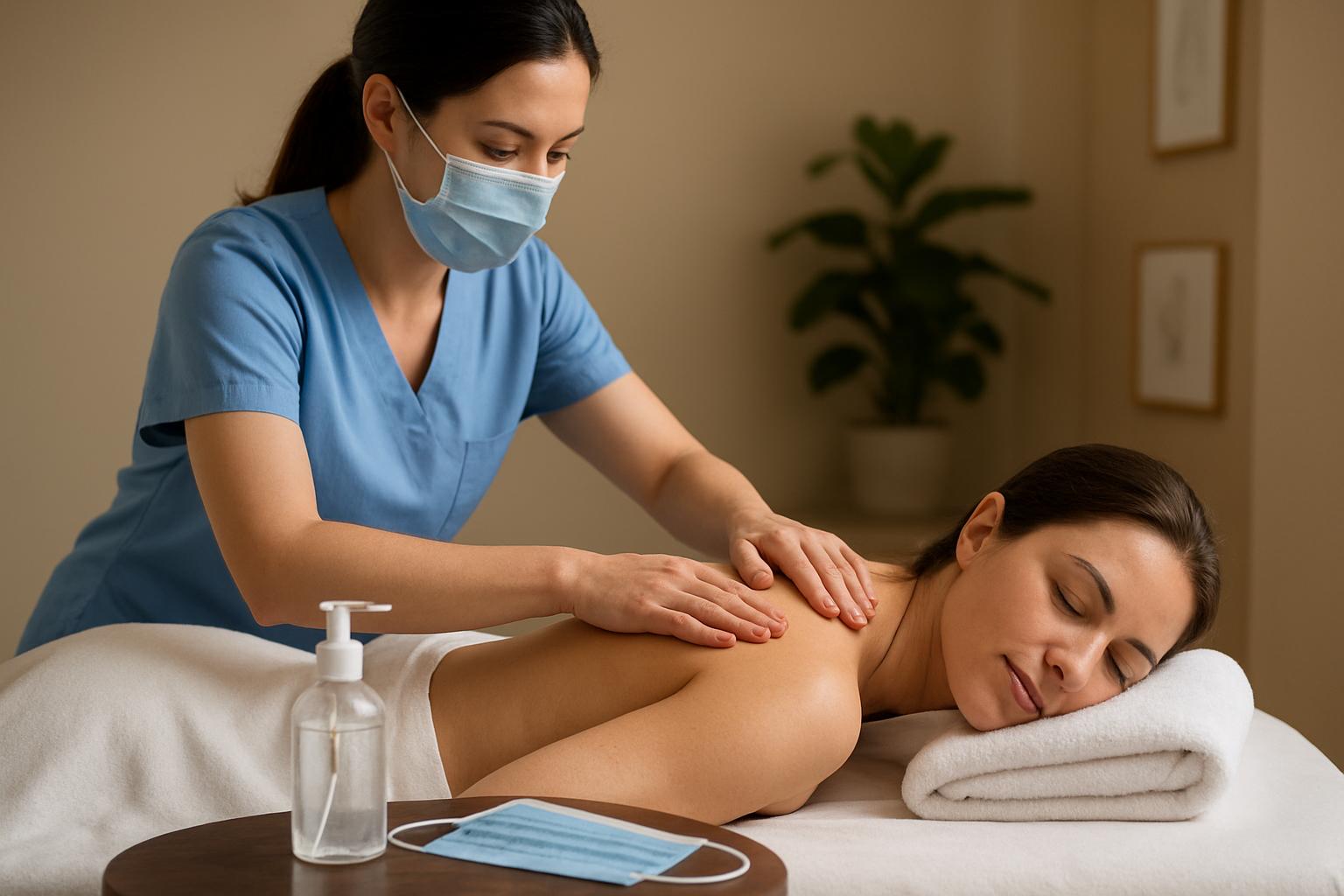
Massage is safe for most people but not universally appropriate. Certain conditions—such as acute infections, uncontrolled blood pressure, some skin conditions, or specific circulatory disorders—can make massage inadvisable or require medical clearance.
Be candid about pregnancy, recent surgeries, or chronic illnesses. A responsible therapist will modify techniques, decline treatments that pose risk, or ask for a physician’s note when necessary. Your safety is a shared responsibility.
- When to seek medical advice before massage: unusual swelling, recent fractures, active cancer treatment, or new unexplained pain.
- Report any adverse reactions immediately, such as dizziness or sharp pain; a therapist should stop and reassess.
- COVID-19 and respiratory illnesses: check current clinic policies and reschedule if you’re symptomatic.
Etiquette, Pricing, and Payment Practices in Montreal
Respectful behavior and clear payment policies make every session smoother. In Montreal, many clinics accept e-transfer, credit card, or cash; they post prices for common durations. Tipping is customary in many spas and private clinics but not mandatory—use your judgment based on service quality.
Etiquette covers both therapist and client responsibilities. Therapists maintain professional boundaries and draping protocols; clients communicate preferences and arrive on time. If you feel uncomfortable at any moment, speak up or end the session.
| Session Length | Approximate Price Range (CAD) |
|---|---|
| 30 minutes | $45–$75 |
| 60 minutes | $75–$130 |
| 90 minutes | $110–$170 |
- Bring photo ID if requested and follow check-in procedures.
- Inform the therapist if you’re pregnant, on medication, or have allergies (e.g., to oils or lotions).
- Respect professional boundaries and the therapist’s scope of practice.
Aftercare and Getting the Most Benefit
Post-session care extends the benefits of a bodywork treatment. Gentle stretching, hydration, and a quiet period afterward help muscles settle and reduce soreness. Some people benefit from applying ice or heat per the therapist’s suggestion.
If you experience persistent pain or new symptoms after a massage, contact the therapist and consult a healthcare provider if needed. Otherwise, schedule follow-up appointments based on goals—regular sessions suit chronic tension, while occasional visits may be enough for relaxation.
- Hydrate: drink water to help flush metabolic byproducts released during massage.
- Move gently: light activity and stretching can prevent stiffness.
- Rest if needed: allow time for the nervous system to return to baseline after a deep treatment.
Community Resources and Where to Learn More
Montreal has a dense network of schools, clinics, and wellness centres where you can learn more about bodywork or pursue training. Local community centres, continuing-education programs, and professional associations offer workshops and directories that list trained therapists.
When in doubt, consult multiple sources: municipal business registries, trusted healthcare providers, and client reviews. A combination of verified credentials and positive client experiences is the best indicator of a reliable practitioner.
- Check local directories and municipal business listings for licensing information.
- Ask your family doctor for referrals if you need therapeutic or rehabilitative care.
- Attend open houses or community wellness fairs to meet therapists and sample modalities.
Conclusion
Montreal’s bodywork scene offers many legitimate options for relaxation, pain relief, and athletic care; the key to a positive experience is clear communication, sensible due diligence, and choosing providers who display training, transparency, and professional boundaries.