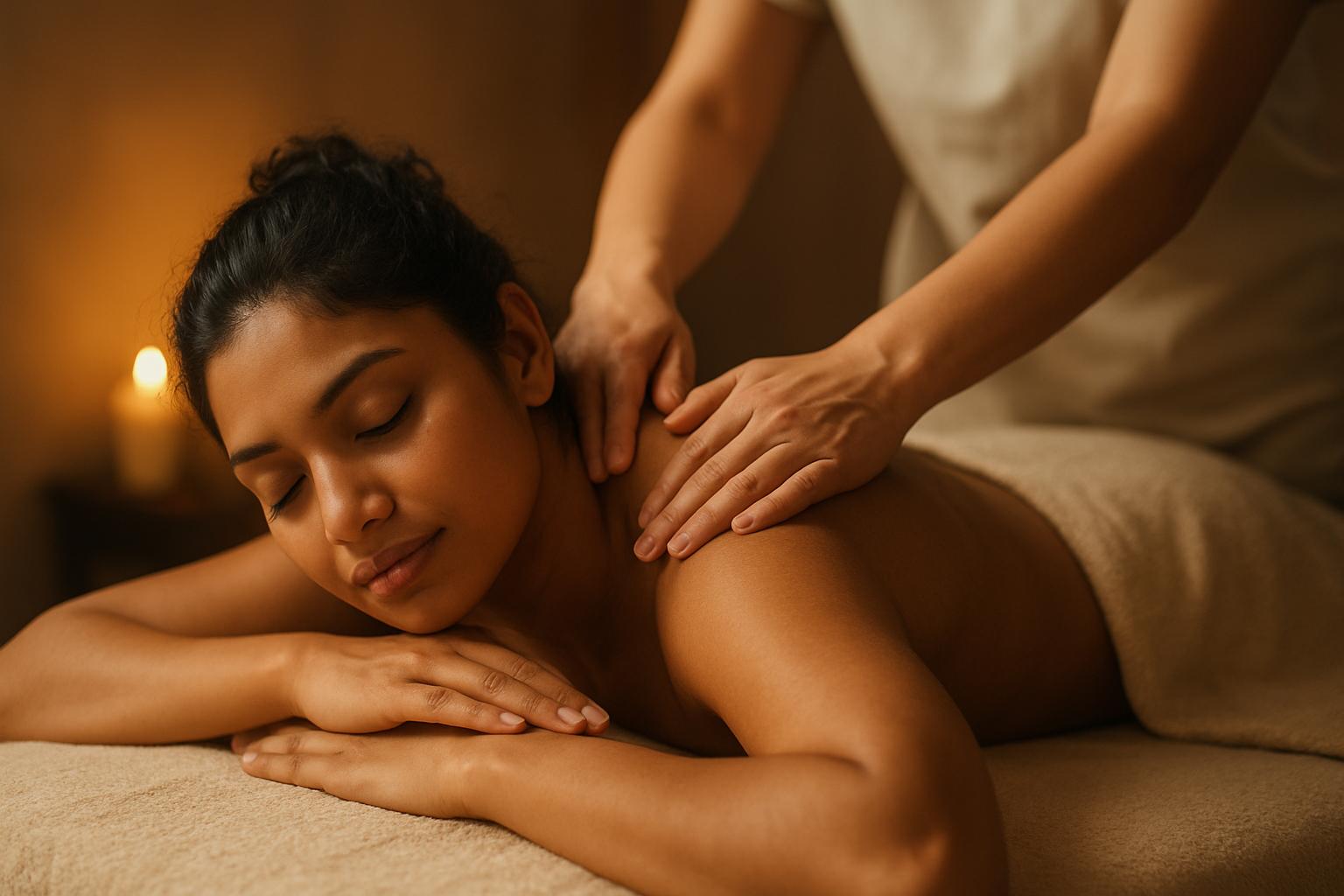

Nooru masage is a phrase you might encounter in spa menus, social posts, or conversations about bodywork. The exact spelling and usage vary—some write it as «Nooru massage,» others shorten or adapt it—but regardless of label, what matters is the practical content: a hands-on, oil-based treatment intended to relax soft tissue, reduce muscle tension, and support a sense of well-being.
This article walks through the topic in plain terms. I’ll explain what people typically mean by nooru masage, outline how a session is prepared and delivered step by step, describe common techniques, list safety considerations, and suggest sensible aftercare. Read it like a practical manual you could use to choose a provider, adapt home routines, or simply understand what to expect.
What People Mean by «Nooru Masage»
The term is not a single, universally documented method the way «Shiatsu» or «Swedish massage» are. In many cases, «nooru masage» is a spa-brand name or a regional label for a blended oil massage that draws on several traditions—long effleurage strokes, targeted kneading, and rhythmic compression. Because language and branding shift, the treatment can look different from one practitioner to another.
When you see nooru masage on a menu, interpret it as a signature full-body oil massage unless the spa specifies otherwise. Providers often tailor pressure, focus areas, and aromatics to client preferences. So, the core idea is a holistic, customizable oil massage rather than a single fixed technique.
Origins and Cultural Context
There isn’t a widely recognized historical lineage attached to the name «nooru masage,» which makes it closer to a contemporary or commercial category than to a classical system. Many modern spas invent evocative names and fuse elements from different traditions; that appears to be the case here as well. That doesn’t reduce value—hybrid treatments can be effective—but it does change how you judge claims.
Understanding this helps you ask the right questions before booking. Rather than asking about «authenticity,» ask about what the session will include: pressure levels, techniques used, oils, duration, and practitioner qualifications. Those concrete details matter more for outcomes and safety than a stylistic label.
Principles and Goals of a Nooru Masage
At its heart, a nooru masage aims to reduce muscular tension, improve local circulation, and induce relaxation. Practitioners typically use slow, rhythmic strokes to soothe the nervous system, combined with deeper work where knots or tight bands are present. The balance between relaxation and therapeutic pressure depends on client needs.
The treatment also emphasizes sensory comfort: pleasant room temperature, calming music, and aromatic oils are commonly used to enhance the experience. That multisensory approach is meant to support both physiological and psychological relaxation, though individual responses vary.
Step-by-Step: How a Typical Nooru Masage Session Unfolds
Below is a typical progression for a 60–90 minute session. Consider this a template; specific spas and therapists will adapt details.
- Client intake and preferences: The therapist asks about health history, recent injuries, areas of pain, and preferred pressure.
- Preparation: The treatment room is warmed; linens, towels, and selected oils are prepared. Client disrobes to comfort level and lies on the table, usually draped except for the area being worked on.
- Initial relaxation: Gentle breathing guidance and light effleurage are used to transition the client into a relaxed state.
- Full-body work: The therapist moves methodically—back, shoulders, arms, neck, legs, feet—using a mix of long strokes and targeted kneading.
- Focused techniques: Deeper pressure or trigger-point release is applied to problem areas, always checking client comfort.
- Finishing sequence: Lighter strokes to soothe the tissues, followed by brief stillness to let the body integrate.
- Aftercare: The therapist offers water and basic advice on hydration and movement for the rest of the day.
During each phase, communication is key. The therapist should ask about pressure and adjust accordingly. If a technique causes sharp pain rather than manageable discomfort, it should stop immediately.
Tools, Oils, and Room Setup
Nooru masage typically uses a small set of low-tech tools and a selection of massage-friendly oils. The tools prioritize comfort and practitioner ergonomics rather than exotic equipment.
Common room setup elements include a heated table or blanket, soft lighting, neutral music at low volume, a pillow for proper spinal alignment, and clean towels for draping. Temperature control is important; muscles relax better when warm.
- Basic tools: Massage table, bolsters, towels, and gloves if needed.
- Oils: Carrier oils (sweet almond, grapeseed) often mixed with mild essential oils for aroma.
- Hygiene supplies: Sanitizer, disposable covers if the spa uses them, and fresh linens.
Oils and Their Typical Properties
Choosing the right oil affects glide, absorption, and skin feel. Here is a concise table that compares frequently used carrier oils and a few popular additions:
| Oil | Texture & Absorption | Common Uses |
|---|---|---|
| Sweet Almond | Light to medium; absorbs at a moderate rate | General-purpose, skin-nourishing, good glide |
| Grapeseed | Light; fast absorption | Ideal for quick, less-greasy finish; suitable for sensitive skin |
| Jojoba (technically a liquid wax) | Medium; closely mimics skin oils | Good for oily or acne-prone skin; stable shelf life |
| Coconut Fractionated | Very light; non-greasy | Popular in hot climates; long shelf life |
A small amount of essential oil may be added for scent, but because essential oils are concentrated, they should be diluted and used with caution. Practitioners often avoid strong fragrances unless the client requests them.
Techniques and Strokes Used in Nooru Masage
Although hybrid, most sessions borrow from well-documented manual techniques. A skilled therapist sequences these strokes for maximum effect—starting with warming effleurage, then moving into deeper work, and finishing with soothing strokes.
Here are the commonly used techniques and when they fit best:
- Effleurage: Long, gliding strokes used to warm tissue and spread oil.
- Petrissage: Kneading and lifting to increase blood flow and work deeper muscle layers.
- Friction: Small, focused movements used over tight bands or adhesions.
- Compression: Rhythmic pushing to ease muscle tension and stimulate circulation.
- Passive stretching: Gentle joint and muscle stretches to increase range of motion.
Benefits, Risks, and Contraindications
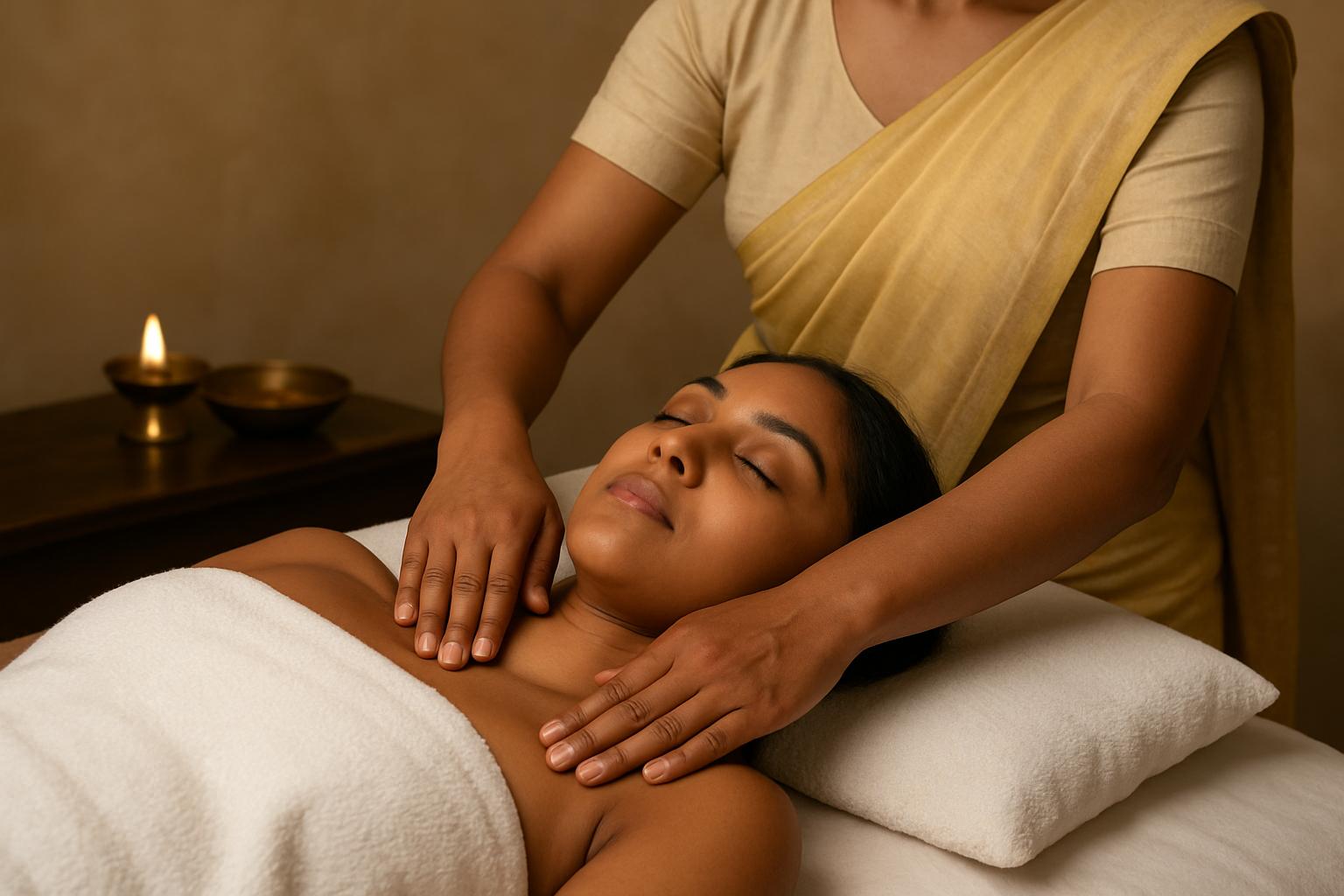
Clients often report reduced muscle tightness, improved comfort in targeted areas, and a general sense of calm after an oil-based full-body massage. Because nooru masage is variable by design, these outcomes are plausible when the session is delivered skillfully and safely.
However, massage is not risk-free. The effects are mostly short- to medium-term and can vary widely. Be cautious about bold medical claims such as curing chronic disease or replacing medical treatment. Massage complements self-care and medical care but does not substitute for necessary medical intervention.
- Common benefits (reported): relaxation, reduced muscle soreness, improved circulation, temporary relief of stiffness.
- Potential risks: bruising, exacerbation of an undiagnosed injury, allergic reaction to oils, faintness if a session is too intense.
- Contraindications: recent surgery, deep vein thrombosis, uncontrolled hypertension, certain skin conditions, fever, or contagious illness—these usually require medical clearance or deferral.
Safety, Training, and Professional Practice
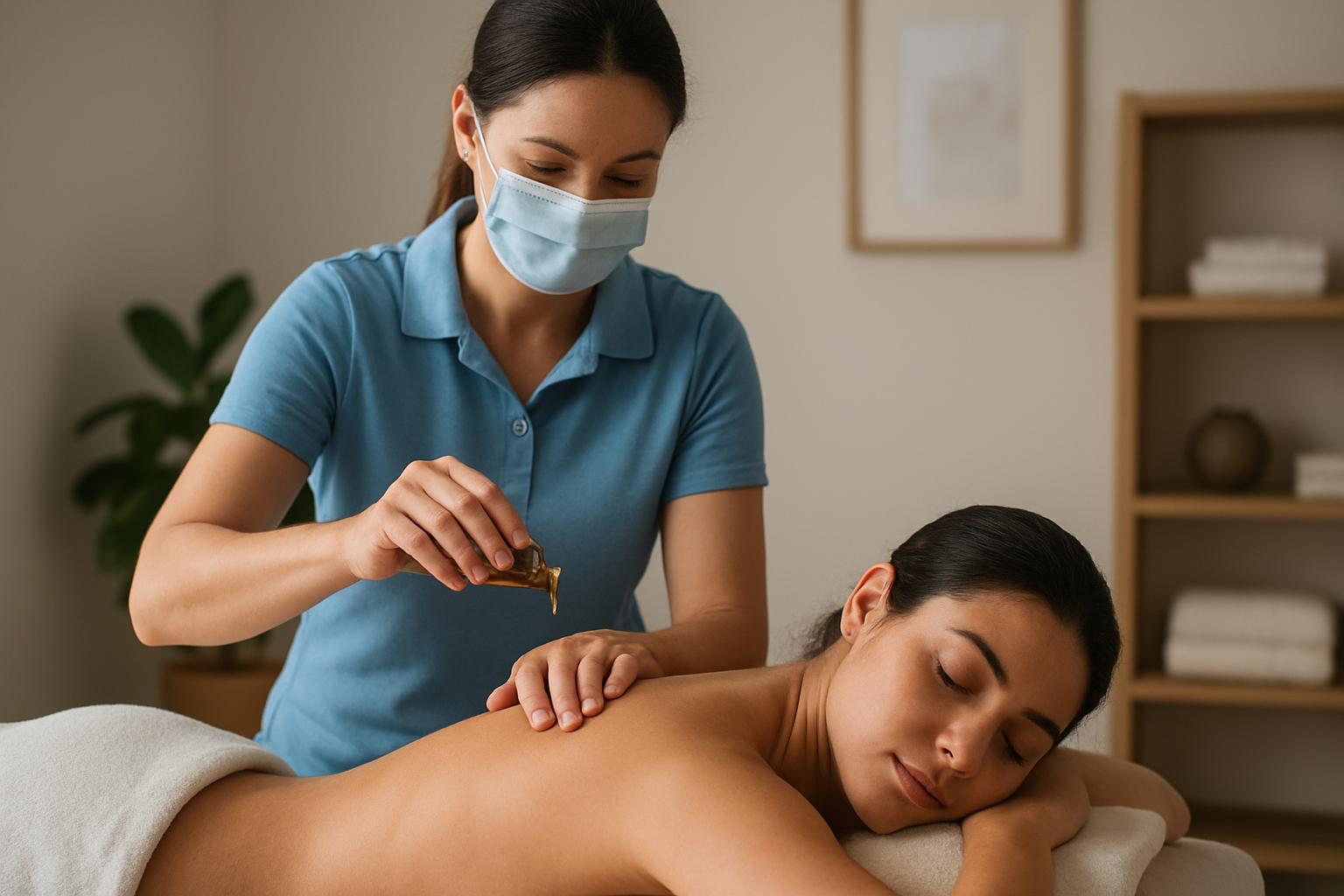
If you plan to receive a nooru masage from a professional, check credentials. In many places, massage therapists complete accredited training and maintain licenses or registrations; exact requirements vary by jurisdiction. A properly trained therapist will take thorough intake information and know when to modify or decline treatment.
If you’re learning the basics to practice on friends or family, seek a reputable foundational course in anatomy and safe bodywork. Practicing without adequate training increases the risk of causing harm. Always prioritize communication, consent, and hygiene.
- Verify therapist qualifications and ask for details about their approach.
- Communicate medical history and current medications during intake.
- Request modifications for sensitive areas or past injuries.
Variations and How to Adapt the Massage
Since «nooru masage» is essentially a customizable signature treatment, variations are common and part of its appeal. You can adapt focus, pressure, and aromatics based on client needs, session length, and setting.
Typical adaptations include shorter sessions focused on the back and neck, pregnancy-safe modifications, sports-oriented versions emphasizing recovery, and slow, restorative sessions for stress relief. When adapting, practitioners should follow safe practice guidelines specific to each population (for instance, avoiding deep abdominal work during pregnancy).
- Pregnancy: Use side-lying positions and avoid deep abdominal pressure; seek a therapist trained in prenatal massage.
- Sports adaptation: Emphasize faster, deeper strokes on targeted muscles with post-session stretching.
- Restorative adaptation: Slow tempo, lighter pressure, and longer stillness to support the nervous system.
Aftercare and Practical Self-Care Tips
After a nooru masage session, simple aftercare helps the body integrate the work. Hydration is helpful because flushing fluids can support metabolic processes and reduce post-massage soreness. Gentle movement prevents stiffness and helps distribute fluids in muscle tissue.
For self-care at home, use light stretching, avoid heavy exercise immediately after a deep session, and use heat or cool packs as needed for soreness. If you notice unusual or persistent pain, redness, or swelling, contact a healthcare professional.
- Drink plenty of water in the hours after treatment.
- Avoid alcohol and intense workouts for the remainder of the day.
- Use gentle stretches 12–24 hours post-session to maintain mobility.
Conclusion
Nooru masage is best understood as a flexible, oil-based signature massage emphasizing relaxation and targeted muscle work; its exact form depends on the practitioner and client. If you’re trying it, choose a qualified therapist, communicate your health history and preferences, and expect a session built around comfort, warm oils, and a mix of long, soothing strokes and deeper attention where needed.