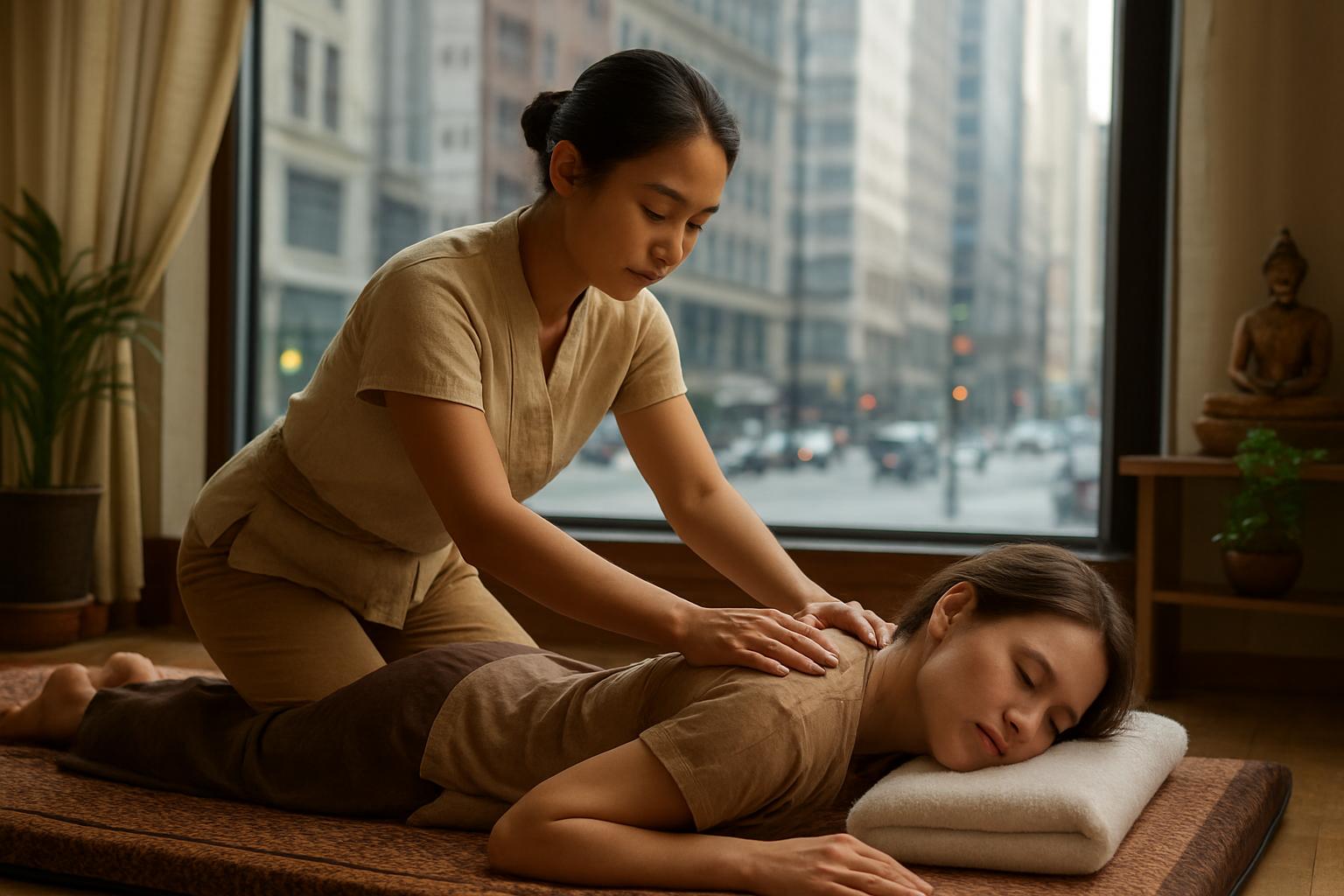

If you live or work in the heart of a city, the promise of a Thai massage downtown can look like a small rescue: a practiced pair of hands, quiet moment between meetings, or an evening reset after a hectic day. This guide walks you through what Thai massage is, how a typical downtown session runs, how to choose the right place, and practical tips so your visit is efficient, safe, and deeply restorative.
Downtown locations come with particular advantages—and a few quirks. You’ll find varied styles, different price points, and practitioners with a wide range of training. Read on to learn how to spot a good clinic, what to expect during a session, and how to make the most of your time on a lunch break or after work.
What Is Thai Massage?
Thai massage is a bodywork tradition that blends assisted stretching, rhythmic pressure, and mobilizations similar to yoga poses applied by the therapist. Originating from Southeast Asia and influenced by Ayurvedic concepts, it works along energy lines called sen and emphasizes balance between movement and pressure rather than long gliding strokes typical of Western massage.
Unlike oil-based Swedish massage, Thai massage is usually performed on a mat or firm table with the client wearing comfortable clothing. Practitioners use hands, thumbs, elbows, knees, and feet to apply pressure and guide stretches. The result can feel both invigorating and calming, a combination that suits city dwellers who need to loosen tight muscles and discharge built-up tension.
Why Choose a Downtown Thai Massage?
Convenience is the most obvious reason. A downtown location allows you to fold a therapy session into your commute, lunch hour, or a post-work routine. That accessibility increases the chance you’ll make bodywork a regular habit rather than a rare treat.
Downtown clinics often cater to a varied clientele—office workers, tourists, and busy professionals—so they typically offer flexible hours, express sessions, and packages that match urban life. You’ll also find a range of atmospheres: minimalist clinical spaces, cozy boutique studios, and places with a cultural focus that incorporate traditional music and decor.
How a Typical Downtown Thai Massage Session Works (Step by Step)
Understanding the workflow helps reduce anxiety and speeds your way to relaxation. Below is a step-by-step breakdown most downtown Thai massage shops follow. Variations exist, but the core elements are consistent.
- Arrival and Check-In: You’ll sign in, confirm the session length and type, and complete a brief health form. Downtown places often run tight schedules, so punctuality is important.
- Consultation: A short conversation with the therapist covers recent injuries, areas of tightness, pressure preference, and any medical conditions. Be candid—this shapes the entire session.
- Changing: Most Thai massage requires loose, comfortable clothing. The clinic will provide suitable attire if you didn’t bring any.
- Initial Positioning: Sessions typically begin on your back, move to the stomach, sides, and end with seated or supine stretches.
- Pressure and Stretching: The therapist applies rhythmic palm and thumb pressure, followed by passive stretches. Talk about pressure—Thai massage can be firm but should not be painful.
- Closing: The therapist gradually eases pressure, offers water, and may provide aftercare recommendations for stretching or hydration.
Express sessions (30–45 minutes) focus on specific areas like neck and shoulders, while longer sessions (90–120 minutes) allow full-body sequencing and deeper work. Downtown clinics often list their session types so you can choose the best fit.
Picking the Right Downtown Spa or Clinic
Not all downtown Thai massage providers are equal. A good clinic balances traditional technique with modern hygiene and clear communication. Consider location, practitioner credentials, cleanliness, and client reviews. Walk-ins can be convenient, but booking ahead reduces waiting and guarantees a therapist whose skills match your needs.
Use these criteria when evaluating options. They’re quick to check and reveal a lot about the place’s professionalism and the likely quality of your experience.
- Visible certifications and training in Thai massage or bodywork
- Clean, well-lit treatment rooms and common areas
- Clear pricing and cancellation policies posted online
- Good reviews that mention therapist skill and consistency
- Professional intake process and attention to medical concerns
When in doubt, ask about the therapist’s background: how long they’ve practiced, where they trained, and whether they specialize in any particular population or technique.
Questions to Ask Before Your Session
Asking the right questions ensures the session aligns with your goals and health needs. These questions take only moments to ask but prevent misunderstandings and mismatched expectations.
- How long have you practiced Thai massage and where did you train?
- Do you have experience with (insert condition: e.g., chronic neck pain, prenatal care)?
- What should I wear, and will I need to change?
- What is your cancellation or late arrival policy?
- Do you offer shorter sessions for lunch breaks?
Etiquette, Preparation, and What to Wear
Downtown appointments can feel formal because of time constraints. Observing basic etiquette keeps the session smooth and focused. Arrive a few minutes early to complete intake and avoid late starts that cut into treatment time.
Wear comfortable, loose clothing—yoga pants and a T-shirt are ideal. If you plan to keep business attire on, confirm whether the therapist can work through light clothing; most prefer direct contact over fabric for better pressure delivery. Remove jewelry and avoid heavy meals immediately before your appointment.
- Arrive 10–15 minutes early
- Wear loose clothing or change into provided attire
- Communicate your pressure preference clearly
- Turn off your phone or put it on silent
Health Considerations and Who Should Avoid Thai Massage
Thai massage involves deep pressure and stretching, so it’s not suitable for everyone. Certain conditions require medical clearance or mean you should choose a gentler modality instead. Be transparent on the intake form and with your therapist.
If you have any of the following, consult your healthcare provider first and inform the therapist:
- Recent surgeries, fractures, or open wounds
- Active infections or contagious skin conditions
- High blood pressure that is uncontrolled
- Pregnancy (seek a therapist trained in prenatal Thai massage)
- Severe osteoporosis, blood clotting disorders, or heart conditions
Aftercare and Making the Most of Your Session
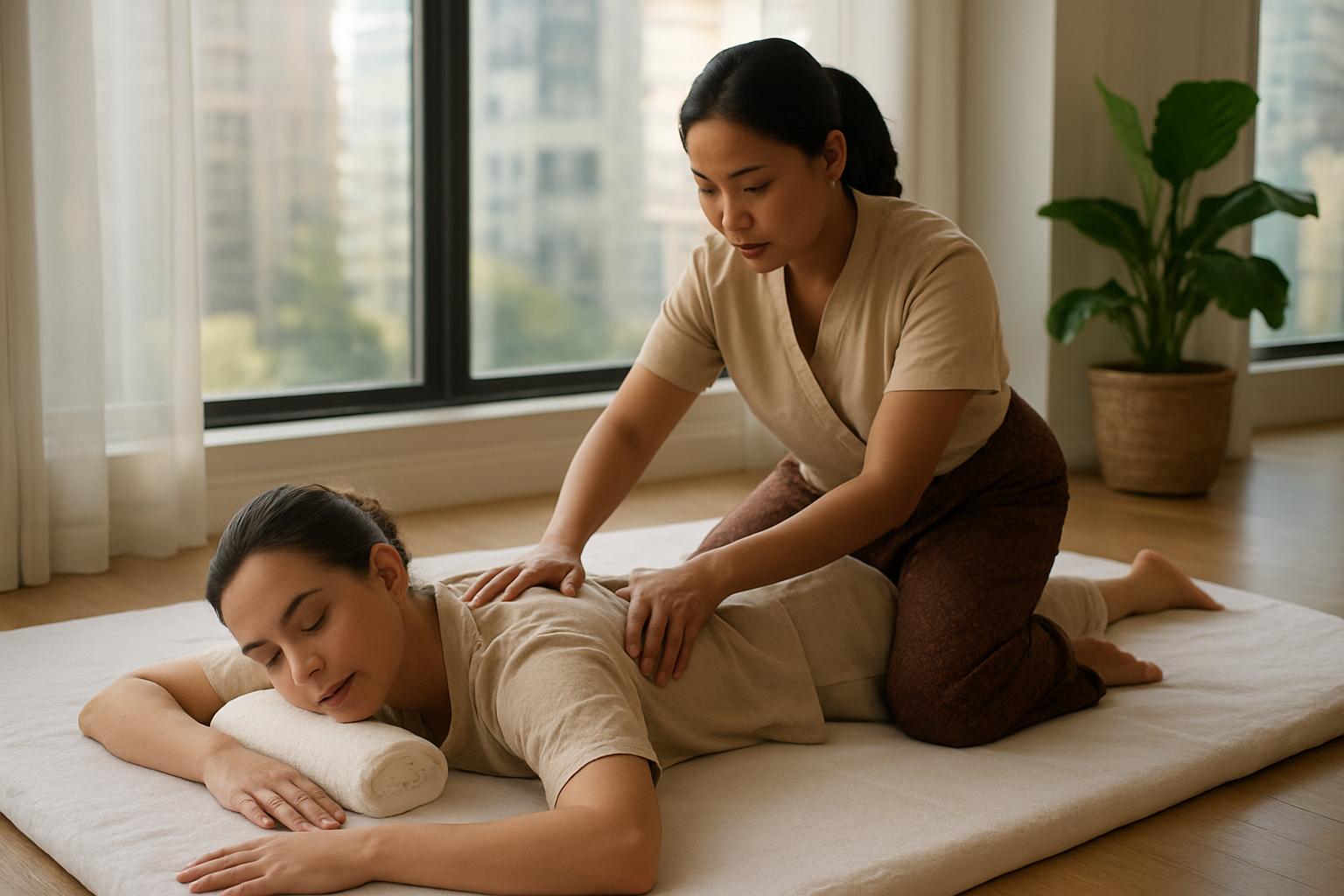
How you behave after a Thai massage affects how long the benefits last. Immediate aftercare is simple and practical: hydrate, move gently, and give your body time to integrate the work. Avoid heavy exercise or alcohol for a few hours when possible.
If you feel sore the day after—common after deep work—use gentle stretching, warm baths, and light activity like walking to ease stiffness. Note any sharp or worsening pain and contact your therapist or a medical professional if something feels off.
- Drink water to help flush metabolic byproducts
- Rest or nap if you can; sleep consolidates recovery
- Apply heat for persistent stiffness; ice for acute inflammation
- Schedule follow-up sessions based on how your body responds
Price Range and Value: Table Comparison
Downtown pricing varies with location, therapist experience, and session length. The table below shows typical ranges you might encounter. Use it as a rough benchmark rather than a fixed rule—some premium studios charge more for specialized therapists or upscale amenities.
| Session Type | Typical Downtown Price | Duration | Best For |
|---|---|---|---|
| Express neck/shoulder | $35–$60 | 30–45 minutes | Lunch breaks, acute tightness |
| Standard full-body | $70–$120 | 60–90 minutes | Regular maintenance, full tension release |
| Extended deep session | $120–$200+ | 90–120 minutes | Chronic issues, thorough treatment |
| Specialized or senior therapist | $90–$250 | 60–120 minutes | Advanced skills or specific techniques |
Look at value, not just price: a well-trained therapist who listens and adapts is worth more than a cheaper table where pressure is inconsistent. Many downtown studios offer packages that reduce per-session cost and encourage regular care.
Tips for First-Timers and Frequent Visitors
Whether it’s your first downtown Thai massage or you’re becoming a regular, a few habits make each visit better. First-timers benefit from reading the clinic’s online information and arriving prepared; frequent visitors gain more from communicating results between sessions and building a relationship with a consistent therapist.
- Book the same therapist when possible; continuity improves outcomes.
- Note what worked or didn’t after each session—share that feedback next time.
- Use express sessions for maintenance; longer sessions for deeper issues.
- Combine bodywork with small lifestyle changes (sitting breaks, ergonomic adjustments) to extend benefits.
- Consider package deals if you plan regular sessions; they often save money and create scheduling consistency.
Frequently Asked Questions
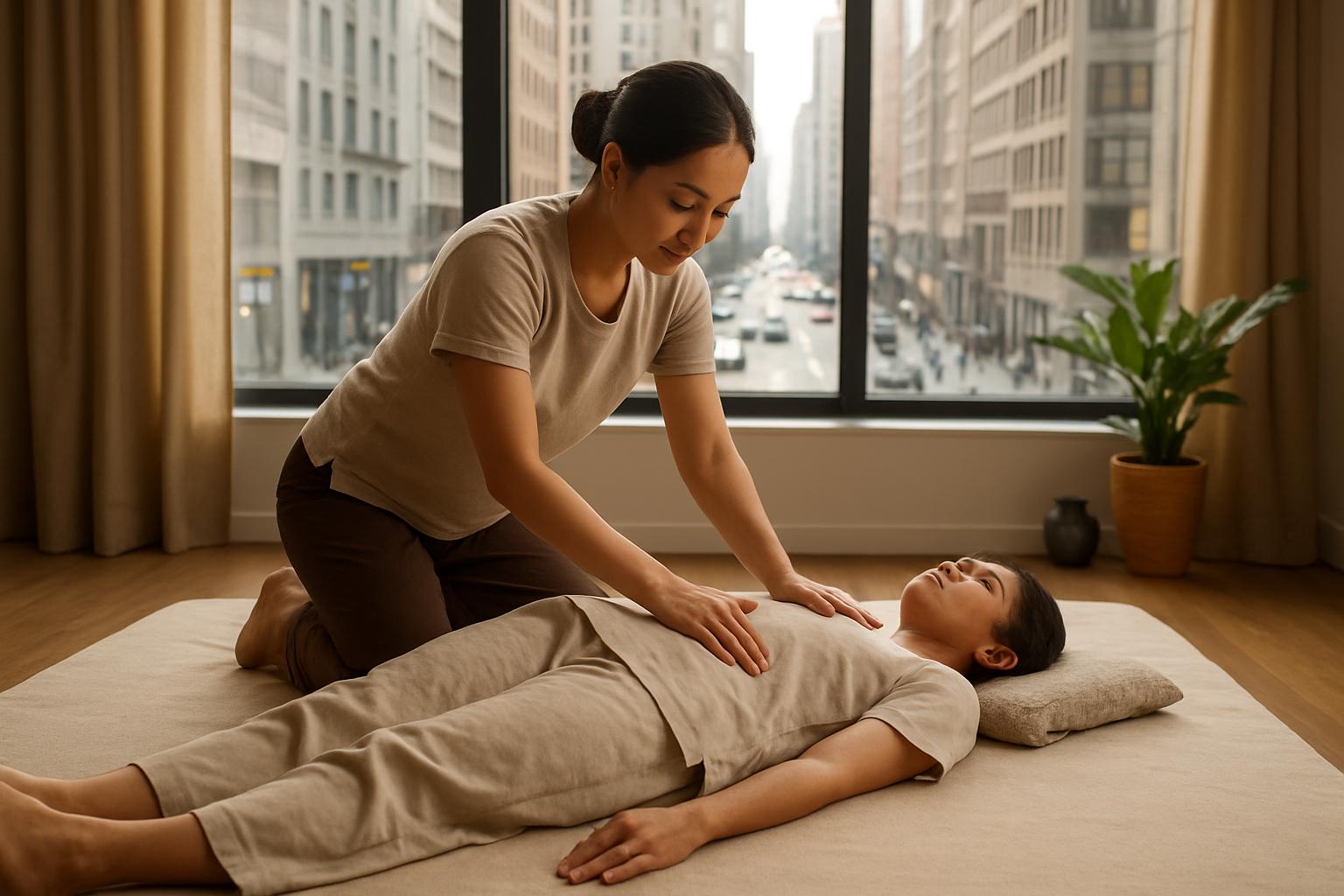
People often want to know how firm Thai massage should feel, whether it’s suitable during pregnancy, and what a therapist can and cannot treat. Below are concise answers to common questions you’ll hear in a downtown clinic.
- Will it hurt? It can be firm, but it should not be sharp or unbearable. Communicate continuously.
- Is it safe during pregnancy? Only with a therapist trained in prenatal Thai massage; certain positions are avoided.
- How often should I come? That depends on your goals: weekly for chronic issues, biweekly or monthly for maintenance.
- Do I tip? Tipping etiquette varies by city—check local norms; 10–20% is common where tipping is customary.
Conclusion
Thai massage downtown can be a practical, effective way to manage urban stress and chronic tightness when you choose a reputable clinic, communicate clearly, and follow simple aftercare—book wisely, show up prepared, and let the therapist guide you through stretches and pressure that leave you looser and more present.