
Brooklyn is a borough where neighborhoods shift mood block by block — from the brownstone calm of Brooklyn Heights to the neon hum of Williamsburg. That diversity shapes the market for companionship services: some clients want a conversational partner for a gala, others seek a curated night out with someone familiar with the local scene. This article walks through the practical, legal, and safety considerations you should know before engaging with escort services in Brooklyn.
Rather than a how-to for illicit behavior, this guide aims to help readers understand the ecosystem, distinguish legitimate companionship services from scams, and prioritize safety and consent. It covers the legal framework, types of legitimate offerings, step-by-step guidance for finding reputable providers, pricing norms, red flags, and community resources. Read on to make informed decisions that respect the law and the people involved.
Understanding the landscape in Brooklyn
Companionship services in Brooklyn exist in a wide array of formats: formal agencies, independent companions who advertise online, and social-professional services that focus on platonic escorting for events. The demand reflects the borough’s nightlife, cultural events, and tourism, plus a steady local need for social companionship at business dinners, parties, or public outings.
Local customs also matter. Certain neighborhoods have a higher concentration of nightlife venues and therefore more options for evening companionship, while others offer quiet, appointment-based services. Knowing the difference helps you pick a service that fits the occasion — whether it’s a low-key museum visit or attending a formal reception.
Legal framework: what’s lawful and what isn’t
In New York State, the law distinguishes between lawful companionship and illegal commercial sex acts. Soliciting or offering sexual services for money is illegal; paying for non-sexual companionship and social escorting can be lawful when both parties agree on the scope and it does not involve prostitution. Understanding this distinction is essential to avoid legal problems.
Local enforcement priorities can vary, and operators who flout the law may be subject to arrest or business closure. Agencies that present themselves as providing “companionship,” are transparent about services, and adhere to licensing requirements where applicable are less likely to attract legal scrutiny — but clients should still act responsibly and be informed about local ordinances.
Types of companionship and legitimate services
Not all offerings labeled “escort” are the same. Legitimate services often focus on social companionship, event attendance, or professional hosting. These services may include accompanying a client to a dinner, serving as a date for a work function, or providing conversation and company at an event. They explicitly exclude sexual services in their terms.
Independent companions can also be lawful when advertising non-sexual companionship. Many operate as freelancers, set clear boundaries in advance, and manage bookings and payment transparently. When evaluating options, prioritize providers who publish clear terms about what they do and do not offer.
| Service type | Typical offering | Legality notes |
|---|---|---|
| Agency-based companionship | Pre-vetted companions, managed bookings, optional grooming and transportation | Often more transparent; agency policies can help ensure compliance with local laws |
| Independent companion | Direct-booked social companionship, flexible scheduling | Lawful when strictly non-sexual and conducted with clear consent and documentation |
| Platonic date services | Arranged dates, cultural outings, event partners | Clearly non-sexual; resembles professional friendship services |
Step-by-step: finding a reputable agency or independent companion
Start by defining your need. Are you looking for a companion for a public event, a professional function, or simply someone to show you around the neighborhood? Clear purpose shapes which providers are appropriate and reduces misunderstandings later.
Follow these steps to find and vet a provider.
- Search for providers with transparent profiles and written terms that explicitly describe non-sexual services.
- Check reviews on independent platforms and ask for references when possible; third-party feedback reduces the risk of scams.
- Confirm identity and agency affiliation through a live video call or verified ID before meeting; legitimate companions will respect this verification step.
- Agree on boundaries, duration, and an itemized fee in writing before the booking is finalized.
- Use secure, traceable payment methods and obtain a receipt. Avoid cash-only deals that lack documentation.
Safety checklist for clients
Safety is a two-way street. Clients should protect themselves, and they should be respectful of the companion’s own safety protocols. Prioritizing openness and documentation reduces misunderstandings and keeps both parties secure.
- Share meeting details with a trusted contact (time, place, name) and check in afterward.
- Choose public or semi-public venues for initial meetings; avoid secluded locations until trust is established.
- Confirm emergency procedures and mutual expectations before arrival.
- Respect stated boundaries. If a scenario changes, pause and renegotiate or end the booking.
- Keep a copy of the service agreement and payment receipt.
Health, consent, and boundaries
Open communication about consent and boundaries is non-negotiable. Providers and clients must agree explicitly on what the engagement includes. Clear, affirmative consent should guide every interaction to avoid misunderstandings and legal exposure.
Health considerations are also important. Companions and their clients should follow basic hygiene standards and, where relevant, discuss any personal health concerns in advance. Public health resources, such as NYC Health, offer guidance about sexually transmitted infections and preventive care. If an engagement remains strictly non-sexual, many of the most sensitive health risks become irrelevant, but transparency remains essential.
Pricing, payment, and transparency
Pricing for companionship in Brooklyn varies widely depending on experience, the provider’s market position, the length of the booking, and added services such as travel or transportation. Agencies typically charge higher rates due to overhead and vetting; independent companions might offer more flexible pricing.
Transparent pricing should include hourly or package rates, cancellation policies, tipping expectations, and any administration fees. A professional provider will supply a written invoice or receipt. For your protection, avoid providers who insist on unusual payment routes or refuse to provide written terms.
Red flags and how to avoid scams
Knowing the common warning signs makes it easier to avoid scams and unsafe situations. Many scams hinge on pressure tactics, lack of documentation, or requests that contradict stated terms. Trust your instincts and walk away from suspicious arrangements.
- Red flag: No written agreement or resistance to clarifying terms.
- Red flag: Requests for large, upfront cash payments without a receipt.
- Red flag: Vague service descriptions and refusal to verify identity or affiliation.
- Red flag: Pressure to move to private locations quickly or to hide the nature of the meeting.
- Red flag: Multiple accounts or inconsistent contact information across platforms.
Resources for workers and clients in Brooklyn
Several organizations and public resources can help both clients and providers navigate the legal, health, and safety landscape in New York. For workers, advocacy groups offer legal advice, health services, and support networks. Clients can consult public resources for safe health practices and legal information.
Key resources include local health clinics, legal aid organizations, and worker-support nonprofits that focus on harm reduction and rights. When in doubt about legality or safety, consult a licensed attorney or contact New York City public health services for guidance rather than relying on informal advice.
- NYC Health (for public health information and testing resources)
- Local legal aid clinics (for questions about local ordinances and rights)
- Worker advocacy groups (for support, safety training, and resources)
- Consumer-review platforms and business registries (for reputational checks)
Brooklyn’s cultural context and nightlife influence
Brooklyn’s cultural life — its restaurants, galleries, music venues, and festivals — naturally shapes demand for companionship services. A companion who knows the local scene adds value beyond mere presence: they can recommend less-touristed spots, help navigate event logistics, and provide context that improves the experience.
That said, social norms vary by neighborhood. In some places, a professional companion is treated like any other hired service; in others, discretion matters more. Consider the tone of your destination and choose a provider who fits the social context of the event you plan to attend.
Regulation, enforcement, and community impact
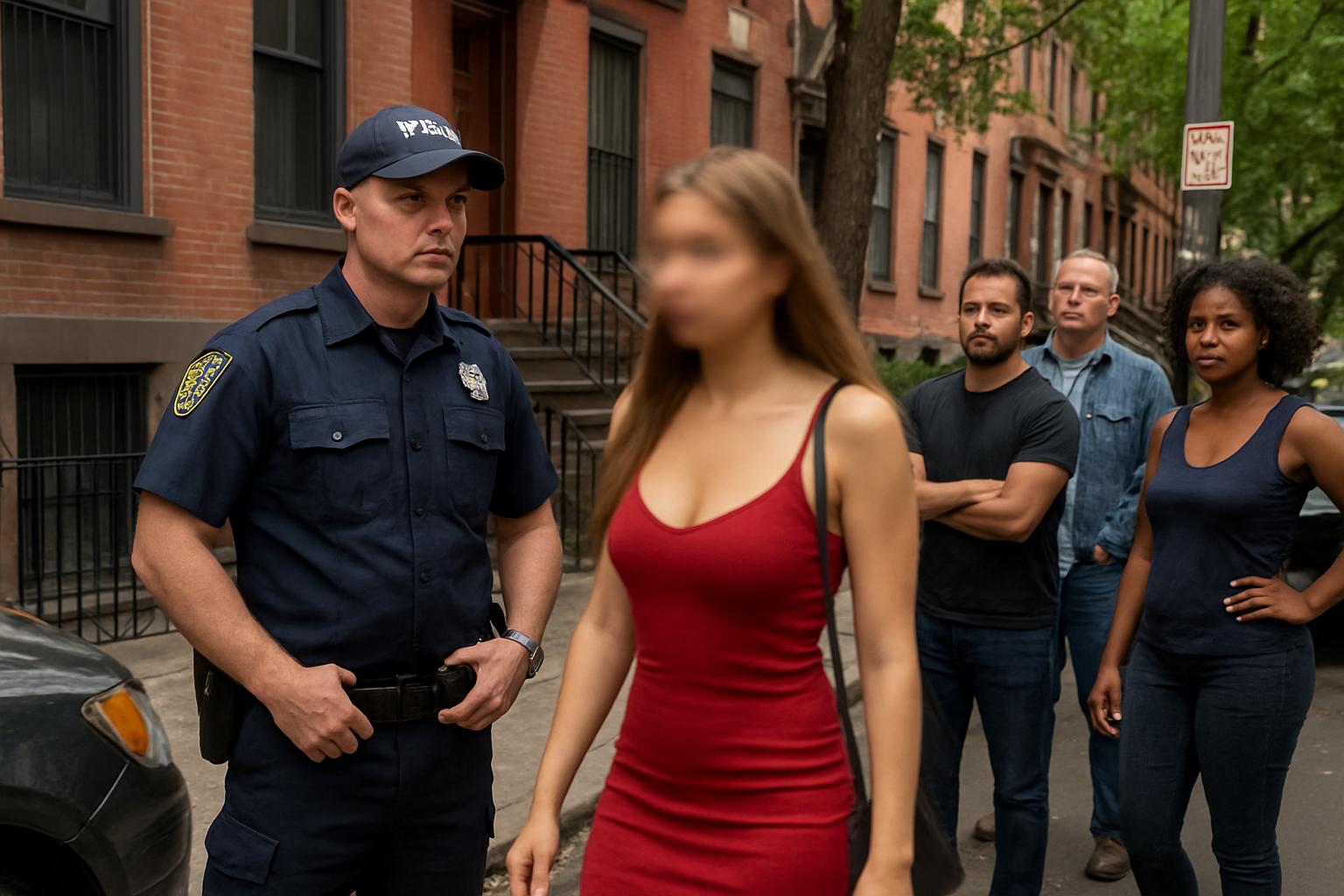
Regulation and enforcement affect where and how companionship services operate. Municipal authorities may prioritize targeting exploitation and trafficking, while overlooking consensual, non-sexual companionship when it operates transparently. Still, enforcement can be unpredictable, so risk-averse behavior and adherence to clear, lawful terms are prudent.
Community impact is another consideration. Providers and clients who act respectfully reduce nuisance complaints and negative attention for neighborhoods. Ethical practices — including proper conduct in public spaces, honoring agreed-upon boundaries, and following local rules — help maintain a viable space for legitimate companionship services without harming communities.
Conclusion

Navigating escort services in Brooklyn responsibly means understanding the law, prioritizing safety and consent, seeking transparent providers, and using public resources when questions arise; by focusing on non-sexual companionship, clear agreements, and mutual respect, clients and companions can arrange lawful, positive experiences that reflect Brooklyn’s diverse social scene.