
New York’s wellness scene includes a broad spectrum of options, from hole-in-the-wall massage rooms to full-service spa sanctuaries. “Upscale bodyrub” in New York refers to high-end bodywork services that prioritize professional technique, refined surroundings, and thoughtful customer care. This article walks you through what to expect, how to choose a reputable place, and how to prepare so you get the most from a premium session.
The goal here is practical: help you recognize quality, understand etiquette and legality in the city, and take step-by-step actions before, during, and after your appointment. Whether you’re a local or a visitor hunting for a restorative hour in Manhattan or Brooklyn, these guidelines will keep your experience safe, comfortable, and genuinely relaxing.
What “Upscale Bodyrub” Means in New York
When people say “upscale bodyrub,” they typically mean a luxury massage experience that pairs skilled therapists with elegant facilities and a focus on well-being. That can include modalities such as Swedish, deep tissue, hot stone, aromatherapy, and hybrid sessions tailored for relaxation or therapeutic results. Upscale venues invest in trained staff, premium products, calming design, and clear service standards.
Beyond the techniques, the difference between a standard massage and an upscale bodyrub often lies in details: soft linens, private rooms with adjustable lighting, curated music, complimentary amenities such as herbal tea or warm towels, and attentive front-desk service. You can expect a refined atmosphere that treats the session as a complete experience rather than a quick service.
Legal Landscape and Safety in New York
It’s important to understand the legal and regulatory framework. Licensed massage therapists in New York are regulated by state and city requirements. Reputable upscale spas openly display licensing and follow health and safety codes. Establishments that blur the lines between legitimate bodywork and illicit activity put both clients and therapists at risk.
Safety also includes hygiene practices, clear communication about medical conditions and contraindications, and respectful professional boundaries. A trustworthy business will have policies in writing, clear pricing, and staff who answer questions directly and professionally.
How to Find a Reputable Upscale Bodyrub — Step by Step
Finding the right place is a mix of research and intuition. Follow these steps to narrow choices and book with confidence.
- Start with reviews and curated lists: Look at independent review sites, local lifestyle publications, and neighborhood guides rather than relying solely on advertising. Pay attention to recency and specific details in reviews.
- Verify credentials: Check that therapists are licensed and that the spa complies with local health regulations. Many upscale venues list staff qualifications on their websites.
- Confirm services and policies: Read the menu of services and the cancellation, gratuity, and late-arrival policies before booking.
- Call or email: A quick conversation tells you a lot. Staff should be responsive, professional, and able to answer questions about techniques and safety protocols.
- Trust your instincts: If something feels off — evasive answers, inconsistent pricing, or pressure to add services — move on.
These steps reduce surprises and increase the odds your session will be exactly what you want: professional, relaxing, and safe.
Booking and Preparing for Your Session
Plan your appointment like a small ritual. Booking online is common for upscale spots, but a phone call helps you request a specific therapist or make special accommodations. Ask how early to arrive and what to wear or remove for the chosen modality.
In the two days before your appointment, avoid alcohol and intense workouts if you want the deepest relaxation. Hydrate and plan for a buffer after the session—don’t schedule a strenuous meeting immediately afterward. If you have medical conditions, recent surgeries, or are pregnant, disclose them during booking so the therapist can plan appropriate techniques or refuse service if necessary for safety.
What to Expect During a Session
Arrival usually begins at reception where you’ll fill out a brief health form and confirm preferences—pressure level, areas to avoid, temperature. Therapists typically start with a short consultation in the room to verify goals and any contraindications.
The session itself should be conducted with clear boundaries and professional draping—only the area being worked on is uncovered. Talk is optional: some people prefer silence, others appreciate gentle conversation. Communicate about pressure or discomfort; good therapists will adapt in real time.
Modalities, Amenities, and How They Compare
Upscale venues offer a menu of modalities and add-ons. Below is a simple table to compare common massage types, typical session lengths, and what each emphasizes.
| Modality | Typical Length | Focus | Ideal For |
|---|---|---|---|
| Swedish Massage | 60–90 minutes | Relaxation, circulation | Stress relief, first-time sessions |
| Deep Tissue | 60–90 minutes | Muscle tension, chronic knots | Athletes, chronic pain |
| Hot Stone | 60–90 minutes | Heat-assisted muscle relaxation | Stiff muscles, deep relaxation |
| Aromatherapy | 60–90 minutes | Scent-based mood enhancement | Stress reduction, mood lift |
| Hybrid/Therapeutic Bodywork | 60–120 minutes | Custom blend of techniques | Tailored therapeutic goals |
Many upscale spas offer packages that combine modalities, add facial treatments, or include access to steam rooms and lounges—consider these if you’re after a full-day wellness experience.
Pricing, Tipping, and Payment Expectations
Upscale bodyrub prices in New York reflect location, staff expertise, and included amenities. Expect premium pricing in Manhattan and trending neighborhoods. Typical ranges vary widely, but professional spas clearly post rates and any service charges.
Tipping is customary in the U.S. and common practice in New York. A standard guideline is 15–25% of the service price for the therapist, adjusted by your satisfaction. If a service charge is already included, check the receipt—additional tip is optional but appreciated for exceptional service.
Therapist Qualifications and Useful Questions to Ask
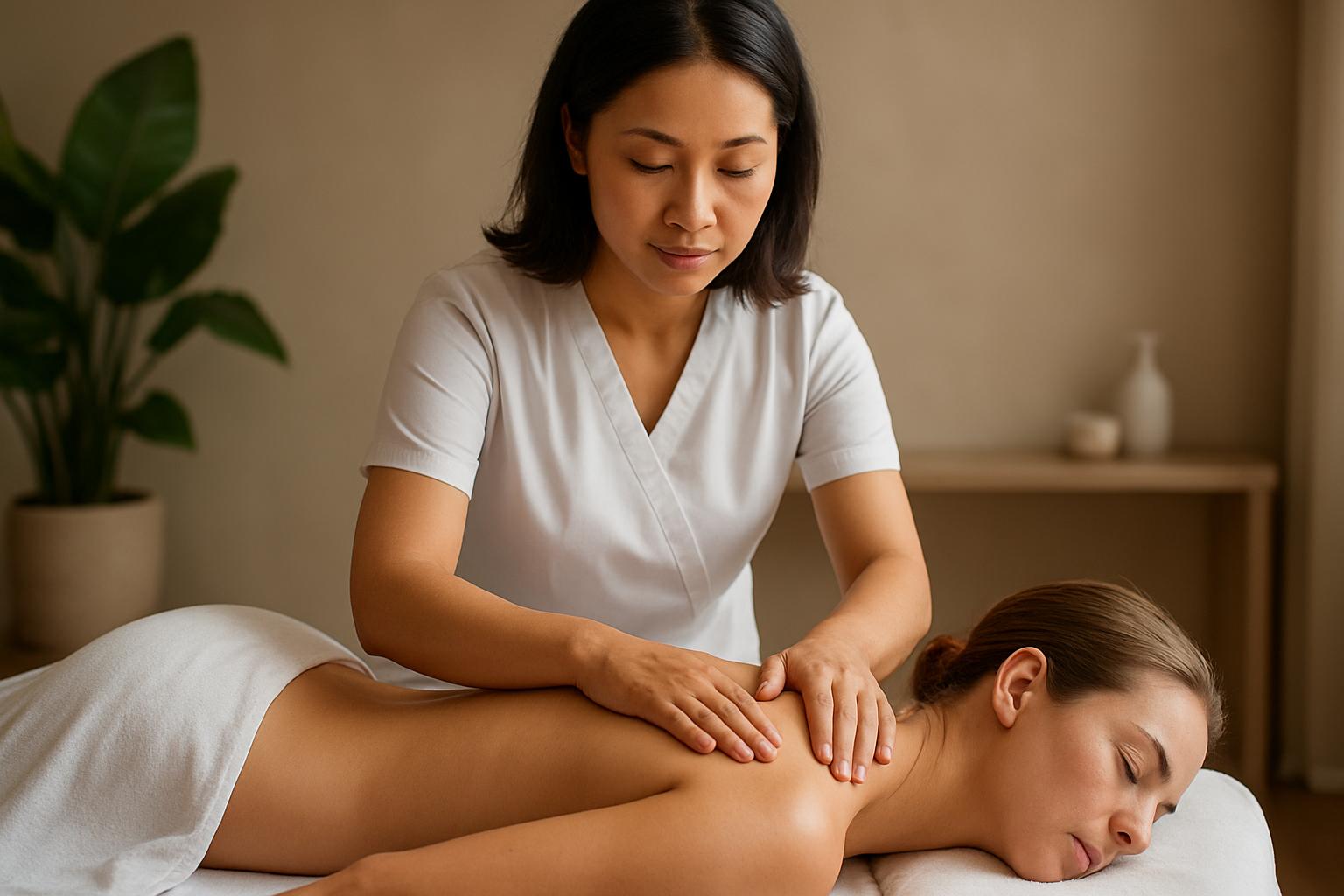
Licensed massage therapists (LMTs) complete accredited programs and pass state exams. At upscale venues, therapists often have additional certifications in specialty modalities and continuing education credits. Bios on spa websites frequently list these credentials.
Questions you can ask when booking or upon arrival include:
- What is the therapist’s primary specialty?
- Are they licensed and insured?
- Which oils or products do you use, and are there allergy-friendly options?
- Can the room environment be adjusted (temperature, music, lighting)?
These questions not only provide needed information but also signal that you expect professional standards.
Red Flags: What to Avoid
Protect yourself by recognizing warning signs. Avoid venues that:
- Refuse to provide staff credentials or show opaque pricing.
- Use aggressive or confusing marketing that promises illicit services.
- Pressures clients into add-ons or private bookings without clear contracts.
- Have inconsistent or unprofessional communication during booking.
If a therapist or business behaves unprofessionally during the booking process, it’s unlikely your session will be professional either. Walk away and choose a different provider.
Also be wary of online listings that lack verifiable contact details or use stock photos instead of real images of the space. A legitimate upscale spa will showcase its facility and staff transparently.
Neighborhoods and Where to Look
High-end bodywork options are concentrated in Manhattan neighborhoods like Midtown, the Upper East and West Sides, SoHo, and the West Village. Brooklyn neighborhoods such as Williamsburg, DUMBO, and Park Slope also host boutique wellness centers with refined bodywork offerings. Each neighborhood has a slightly different vibe: Midtown may cater to business travelers seeking efficiency, while SoHo and Williamsburg emphasize design and boutique experiences.
When choosing, factor convenience: if you plan to relax after treatment, pick a location where you can linger, enjoy a quiet café, or stroll a calm park rather than rushing back into traffic or a crowded schedule.
Aftercare and Maintaining Benefits
After your session, drink water, move gently, and give yourself 24–48 hours before intense physical activity. Stretch lightly and use heat or cold where recommended by your therapist. Many therapists provide personalized aftercare tips or short stretches to maintain the benefits of the session.
Consider scheduling follow-up sessions if you’re targeting chronic tension or rehabilitation. Regular, consistent bodywork tends to produce more lasting improvements than sporadic visits.
Reviews and Ongoing Communication

Leave honest reviews to help other clients and to support high standards in the industry. If something about your session could have been better, contact the spa directly before posting—reputable businesses value feedback and often resolve issues quickly.
For ongoing relationships with a therapist, communicate your goals and any changes in health status between visits. That ensures each session remains safe and effective.
Conclusion
Choosing an upscale bodyrub in New York means prioritizing professionalism, clear boundaries, and a thoughtful environment—do your research, ask practical questions, follow simple pre- and post-care steps, and trust your instincts to ensure a restorative and safe experience.