

The phrase «happy ending» is widely used as a euphemism for sexual services provided at the end of a massage. In New York City, that shorthand carries legal, safety, and ethical implications. Anyone searching the phrase should know that it often points to illicit activity and that pursuing those services can expose you and others to legal risk, exploitation, and health hazards.
This article explains the term, outlines the law in New York, walks you step by step through safer and legal options for massage and intimacy-related needs, and shows how to recognize and respond to illegal or unsafe operations. I will not provide tips for locating or obtaining illegal sexual services, but I will give practical, lawful guidance for getting legitimate care and staying safe.
What people usually mean by «happy ending»
In casual conversation the term refers to a massage that concludes with a sexual act. It appears in search queries and classified ads as a discreet way to advertise illicit services. The words themselves sound almost whimsical, but they typically indicate activity that falls outside the scope of regulated therapeutic massage.
Understanding the meaning helps separate two different needs: therapeutic touch and sexual gratification. Licensed massage therapists are trained to treat muscles, reduce pain, and relieve stress. Sexually explicit acts are not part of licensed practice and are illegal when exchanged for money in many places, including New York.
Legal framework in New York City
In New York State, massage therapists and related practitioners must comply with licensing and business regulations. Operating a business that offers sexual services in exchange for payment can involve criminal statutes, and establishments that permit or advertise such acts may be subject to law enforcement action.
Beyond criminal exposure, illegal operations can hide labor exploitation and human trafficking. That is one of the reasons local and federal agencies prioritize enforcement: protecting victims and upholding public safety. Because laws and their enforcement can change, always consult official sources or legal counsel for current, case-specific information.
Step-by-step: verifying a legitimate massage provider
If your goal is legitimate therapeutic massage, follow a simple verification process. This reduces the risk of encountering unlicensed operators and increases the chance of a professional, safe experience.
Here is a step-by-step checklist you can use before booking an appointment and before payment.
- Search for licensed practitioners through the New York State Office of the Professions or reputable professional associations (for example, national or state massage therapy associations).
- Check for a clearly posted business name, address, and contact information. Legitimate establishments provide daytime phone numbers and email addresses, not only anonymous messaging apps.
- Look for practitioner credentials and visible professional licenses at the facility, and confirm names match state listings.
- Ask for an intake form and a treatment plan during booking or arrival—these show clinical intent and standard practice.
- Pay by traceable means (card or receipt) rather than cash-only transactions; get a printed receipt that reflects the business name and services rendered.
Recognizing signs of illegal or unsafe massage operations
Some features commonly appear in advertisements or businesses involved in illicit activities. Spotting these signs early can help you avoid trouble and protect vulnerable people who may be exploited.
Below is a practical table that summarizes contrasts between indicators of a licensed, professional massage practice and red flags that often point to illicit operations.
| Licensed/professional | Potentially illicit or unsafe |
|---|---|
| Practitioner names listed and verifiable via state registry | No visible credentials or false names; difficulty verifying practitioners |
| Standard intake forms and documented treatment plans | No paperwork; minimal or no medical intake |
| Clear price lists for specified therapies on the website/menu | Vague pricing, «specials» not on menu, or cash-only discounts |
| Professional setting with private treatment rooms and front-desk presence | Backdoor entrances, windowless storefronts, or rooms used for overnight stays |
| Respectful communication, boundaries, and no sexual comments | Sexual innuendo in ads or staff making sexual offers |
What to do if you encounter an illicit or suspicious business
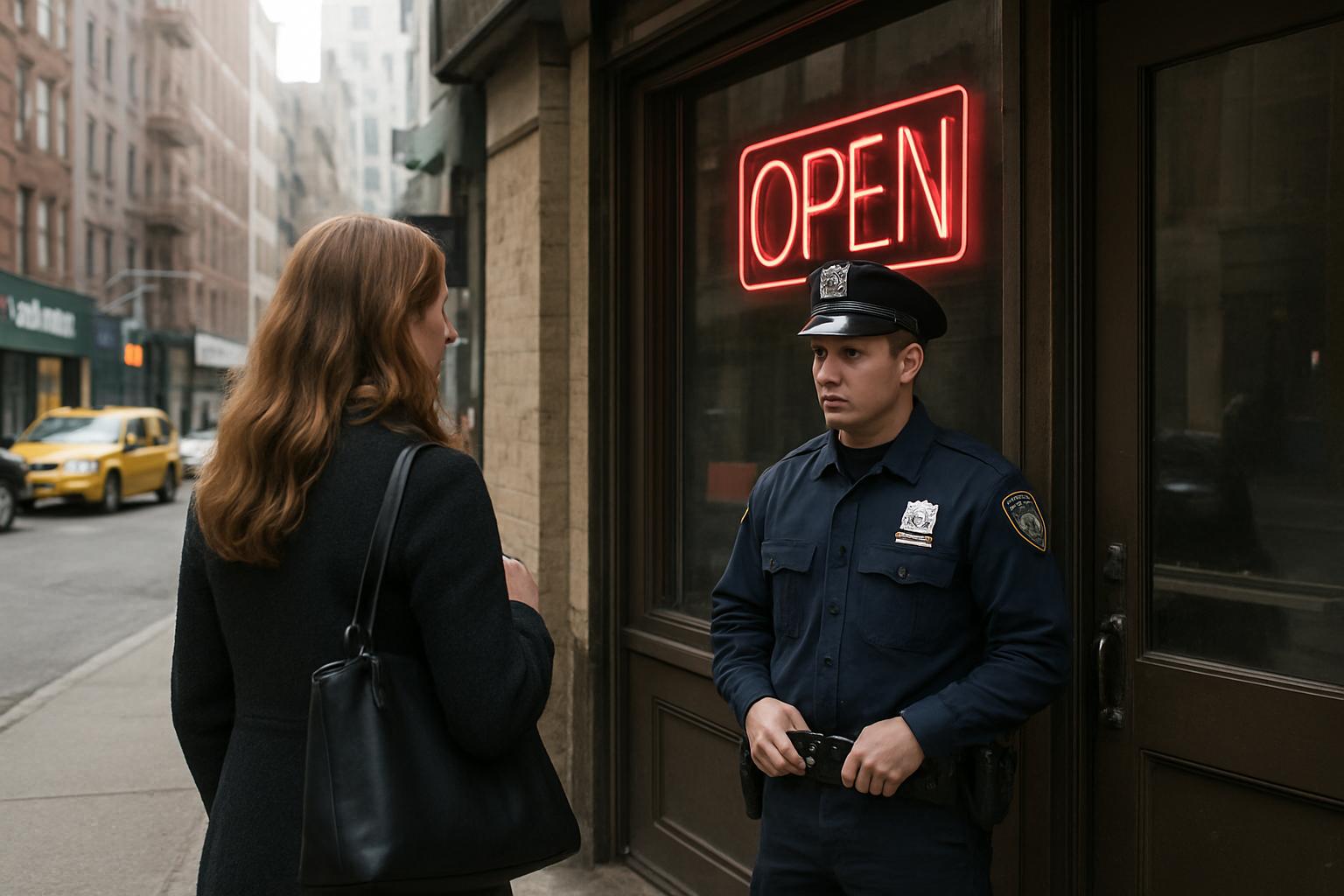
If you find a place that appears to offer sexual services or otherwise raises red flags, prioritize safety and legal compliance. Do not engage with offers of sexual acts for money. Instead, follow these steps to remove yourself from risk and report concerns.
Use the short action plan below to leave safely and to alert authorities who can investigate exploitation or illegal conduct.
- Leave the premises calmly and discreetly if you feel unsafe. Don’t argue or attempt to negotiate.
- Keep evidence like screenshots of advertisements, receipts, or the business’s online listing if it’s safe to do so.
- Report serious concerns to local law enforcement or city reporting channels (for example, NYC 311) and to specialty hotlines for trafficking or exploitation.
- If you suspect human trafficking or forced labor, contact a dedicated hotline or non-profit that specializes in victim services; they can advise and connect victims to help.
Health and safety considerations
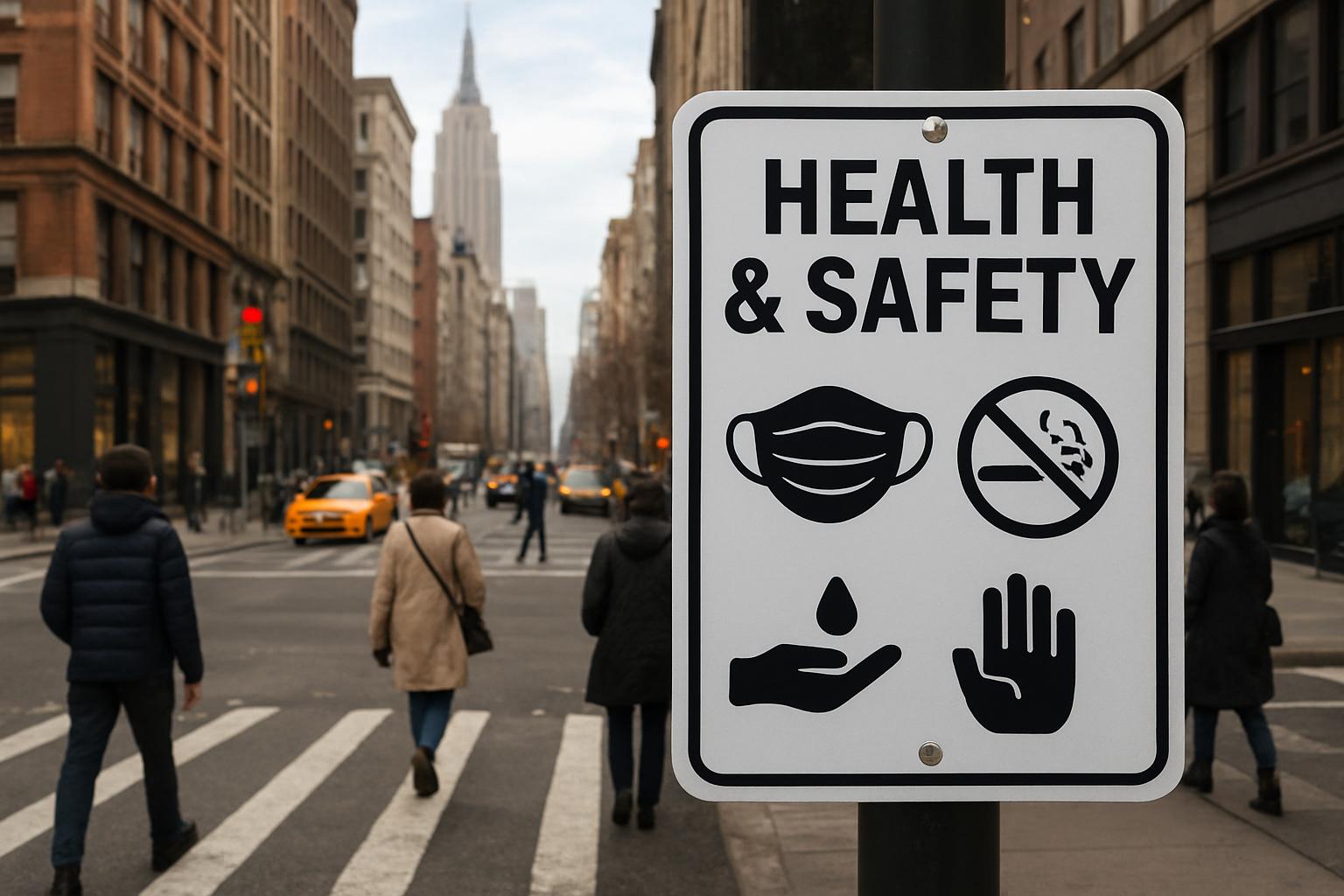
There are public-health reasons to avoid unregulated sexual services: lack of screening, unsafe practices, and inadequate hygiene standards increase risks of sexually transmitted infections and other harms. Licensed therapeutic practices follow sanitation protocols and maintain professional boundaries.
If you need sexual-health services or testing, use established clinics and health centers that provide confidential, nonjudgmental testing and counseling. These services protect your health and connect you to medical care if needed.
Safe alternatives for intimacy, stress relief, and sexual wellness
If you’re exploring ways to manage stress, reconnect with a partner, or address sexual concerns, there are lawful, healthy alternatives that don’t involve illegal services. Consider professional therapy, couples counseling, licensed sensual- or intimacy-focused workshops, or educational resources about sexual health.
Below are options to consider, depending on your needs and comfort level.
- Licensed massage therapists for therapeutic touch and relaxation.
- Couples or sex therapy with licensed mental-health professionals.
- Certified intimacy or tantra workshops with clear credentials and consent-based curricula.
- Community classes in mindful touch, communication, and consent led by reputable organizations.
- Medical clinics for sexual-health checkups and STI screening.
How to research and choose reputable services in NYC
Research saves time and reduces risk. Use official registries, read independent reviews cautiously, and contact practitioners directly to ask about credentials, privacy policies, and what the treatment will include. Asking informed, respectful questions is normal and expected.
When evaluating online reviews, look for consistent details about professionalism, cleanliness, and scope of practice. Beware of review patterns that suggest manipulation—an abundance of vague, overly flattering, or similar-sounding reviews may not be reliable.
Questions to ask before you book
Asking a few direct questions before a session helps set expectations and preserves boundaries. Legitimate providers will answer transparently and calmly.
Below are practical questions you can use when you call or message a provider.
- Are your practitioners licensed and listed on the state registry?
- Do you have an intake form and health screening procedure?
- What is included in a standard treatment, and how long does it last?
- What are your payment methods, and do you provide a receipt?
- Are services strictly therapeutic, and do you have a written policy on sexual conduct?
Resources and reporting channels
If you need to check licensing or report concerns in New York, there are organizations and hotlines that handle specific issues: state licensing boards for professional verification; public-health clinics for testing; and specialized hotlines and non-profits for human trafficking and exploitation.
Search for the New York State Office of the Professions to verify licenses. For suspected trafficking or labor exploitation, contact national or local anti-trafficking organizations. For non-emergency law enforcement matters, use the appropriate local channels such as NYC 311 or the NYPD non-emergency contact options.
Final practical tips
Be direct about what you want and what you won’t accept. Stick to licensed providers if you want a therapeutic massage. Always use traceable payments, keep records, and trust your instincts—if something feels off, leave and report it.
Above all, prioritize consent, safety, and legality. That approach protects you and respects the rights and dignity of others.
Conclusion
I cannot help locate or recommend places that offer sexual services; instead, use the steps above to find licensed, professional massage and health services, recognize and avoid illicit operations, and report suspected exploitation to appropriate authorities while protecting your own safety and wellbeing.