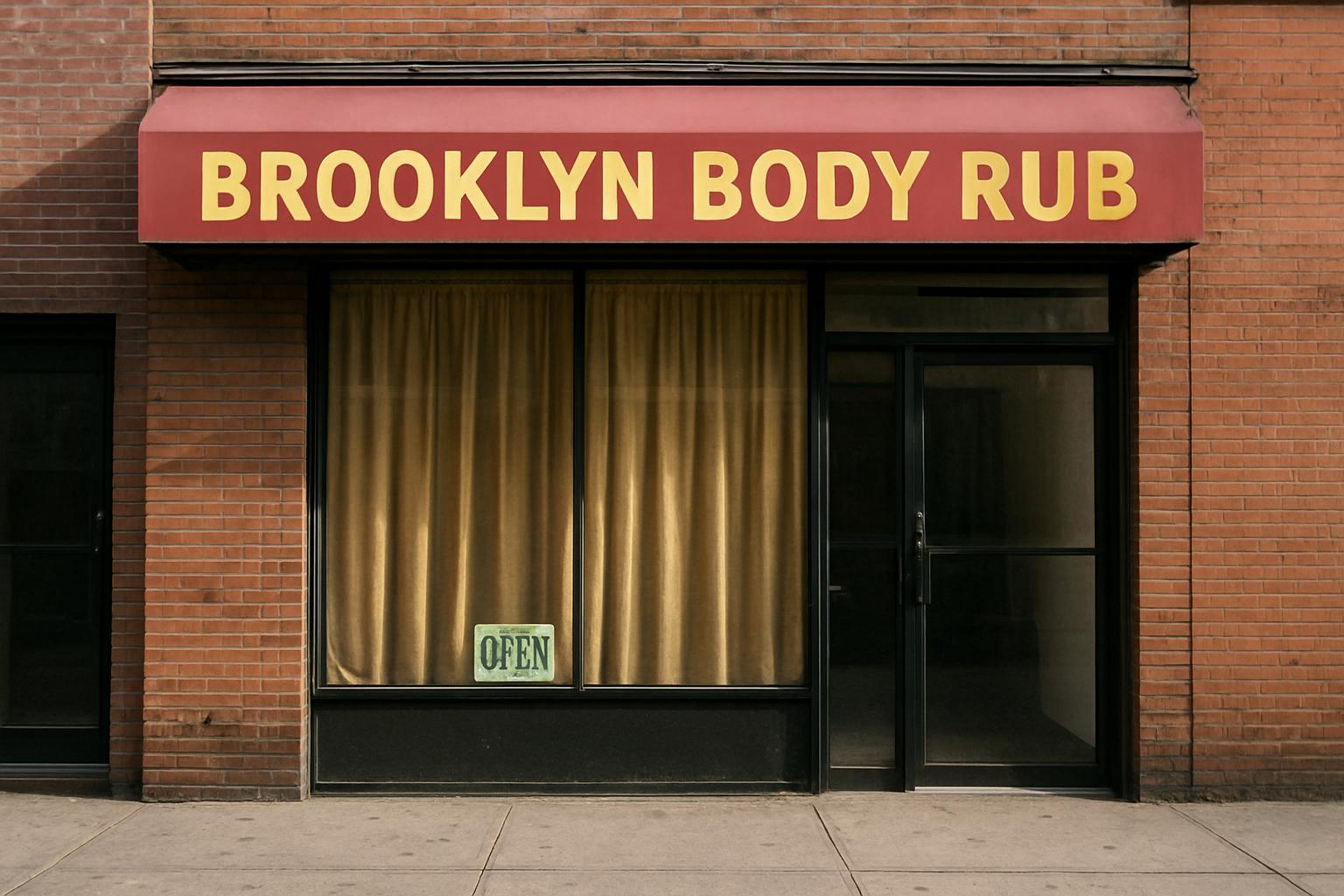

In Brooklyn, the phrase «body rub» can mean different things to different people. For many, it describes legitimate therapeutic bodywork: Swedish massage, deep-tissue techniques, myofascial release and other hands-on approaches aimed at easing tension and improving circulation. For others, the phrase carries ambiguous or adult-service connotations, which is why clear expectations and careful selection matter.
This guide walks you through what to expect, how to find reputable practitioners, steps to take before and after an appointment, and the legal and safety considerations you should know. Read on for practical, step-by-step advice to help you get a professional, beneficial session in Brooklyn without surprises.
What «body rub» can mean and how to read listings
The first task is language. Advertisements and online directories use many synonyms: massage, bodywork, therapeutic touch, or simply «body rub.» That variety can hide important differences in services and intent. Learning a few key terms will help you separate legitimate clinics and licensed therapists from listings you might prefer to avoid.
Licensed or credentialed practitioners will typically list specific modalities (for example, Swedish, sports, lymphatic) and will reference certifications, continuing education, or professional associations. Less-specific ads often emphasize sensual or ambiguous benefits, offer unusually low prices, or avoid mentioning practitioner credentials. Treat language as a clue, not a verdict, and follow up with questions.
Common types of therapeutic bodywork available in Brooklyn
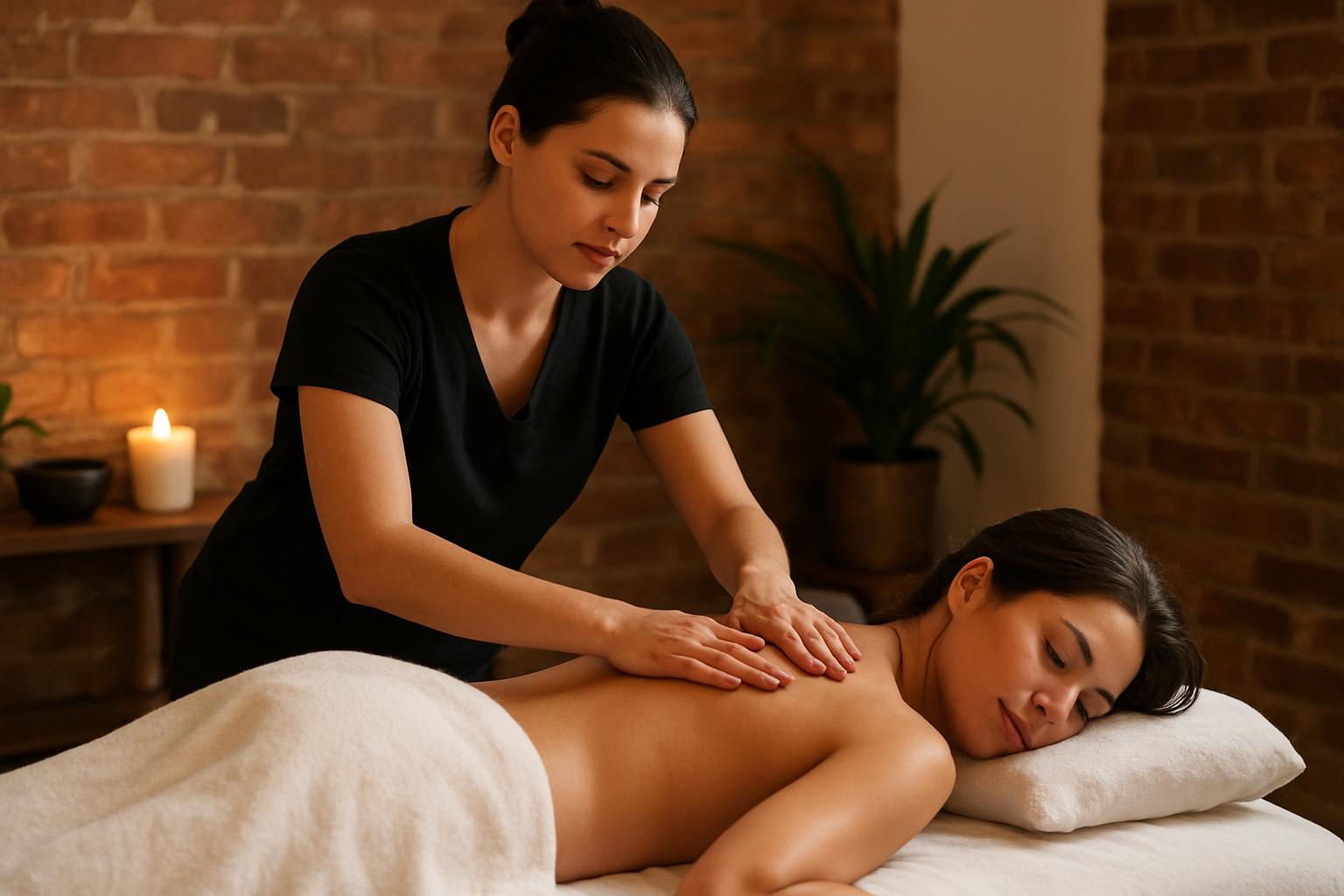
Brooklyn’s wellness scene offers a broad menu of techniques. A reputable spa or independent therapist will explain the approach, expected pressure, and therapeutic goals when you call or arrive. Knowing basic differences helps you book the right session for rehabilitation, relaxation, or both.
The table below summarizes common modalities you’ll encounter, typical duration, and what each technique is generally best for. Use it to match your symptoms and goals to the right practitioner.
| Modality | Typical Session Length | What It’s For |
|---|---|---|
| Swedish Massage | 30–90 minutes | Relaxation, general stress relief, improved circulation |
| Deep Tissue | 45–90 minutes | Chronic muscle tension, targeted pain relief |
| Sports Massage | 30–90 minutes | Injury prevention, pre/post-event care, muscle recovery |
| Myofascial Release | 30–60 minutes | Adhesions, range-of-motion issues, chronic tightness |
| Lymphatic Drainage | 30–60 minutes | Fluid reduction, post-surgical care, gentle detoxification support |
| Shiatsu/Thai | 45–90 minutes | Energy lines, flexibility, pressure-point relief |
Remember: modality names can be mixed or customized. A therapist may combine Swedish and myofascial techniques within a single session depending on your needs. Always ask for clarity if the description is vague.
Step-by-step: How to choose a reputable Brooklyn provider
Choose a practitioner the way you choose a doctor: check credentials, read recent feedback, and verify the environment. Start online, but don’t stop there. A short phone call or email exchange will reveal more than a polished listing.
Follow these steps in order to reduce risk and increase the chance you’ll get the results you want.
- Research: Look for clinics or therapists with clear service descriptions and professional websites. Note certifications and years of practice.
- Read reviews: Prioritize recent reviews on independent platforms. Watch for consistent themes — both good and bad.
- Verify credentials: Ask whether the practitioner is certified, insured, or affiliated with a professional association. If licensing applies in your area, ask about that too.
- Call and ask questions: Inquire about the intake process, hygiene practices, COVID policies if relevant, and what to expect in terms of draping and privacy.
- Book a short session first: A 30–45 minute session lets you assess technique, communication, and comfort without committing to a long appointment.
During your initial contact, note how the staff answers questions. Clear, professional responses and a willingness to explain contraindications and client rights are good signs. Evasive answers or attempts to push add-ons or unclear services are red flags.
Red flags to watch for
Some signs point to services that may not be what you expect, or that could be unsafe. If you see any of these, pause and consider other options.
- Extremely low prices for unusually long sessions (this often indicates nonprofessional operations).
- Reluctance to provide staff names, qualifications, or a business address.
- Pressure to remove all clothing without clear medical or therapeutic rationale; refusal to use standard draping procedures.
- Requests for payment only in cash or outside the platform where the business advertises.
- Promotions that emphasize sexual services, suggestive language, or explicit imagery.
What to expect at your appointment: a step-by-step walkthrough
Knowing the rhythm of a professional session reduces nervousness and helps you get the most from the treatment. Here’s the typical flow from arrival to departure, with things to watch for.
Arrive a few minutes early to fill out a health intake form. Expect questions about medical history, current medications, recent surgeries, and any areas of pain. This intake is standard practice and gives the therapist important context for safe work.
- Consultation: The therapist reviews your intake, confirms goals, and explains the plan for the session.
- Draping and privacy: You’ll be given privacy to undress to your comfort level. Proper draping covers your body except for the area being worked on.
- Treatment: Communication matters. If pressure is too hard or you feel pain beyond tolerable discomfort, speak up. A professional adjusts technique immediately.
- Aftercare: The therapist will suggest stretches, hydration, and follow-up options if needed. You may be given written or verbal instructions.
Good therapists encourage feedback during and after the session. They’ll also offer options for booking follow-ups when appropriate but won’t pressure you to commit on the spot.
Preparing for your session and aftercare
Small preparations yield big comfort. Drink water before and after sessions, avoid heavy meals immediately beforehand, and wear comfortable clothes you can easily change into.
Aftercare is simple but effective. Rest, hydrate, and use heat or gentle stretching for any post-treatment soreness. Note how your body responds over the next 24–72 hours; increased mobility and reduced tension are common, but persistent sharp pain is not.
- Before: hydrate, avoid vigorous exercise, and wear loose clothing.
- During: communicate preferences, breathe, and relax muscles as best you can.
- After: drink water, rest, and follow any specific stretches or care instructions given by the therapist.
Health, safety and legal considerations
Every therapeutic interaction carries health considerations. Be forthright about pregnancy, blood thinners, recent surgeries, high blood pressure, or other medical issues. Certain conditions require physician approval before massage.
Legality and regulation vary by city and state. If local licensing exists, ask about it. If not, focus on professional affiliations, liability insurance, and transparent business practices. Trust your instincts: if something feels off, you have every right to leave and request a refund.
Contraindications—conditions where bodywork may be unsafe or require modification—include (but are not limited to) fever, contagious skin conditions, uncontrolled high blood pressure, deep vein thrombosis, and acute infection. A qualified therapist will modify treatment or decline service when medically appropriate.
- Be honest about medical history; partial disclosure can lead to harm.
- Ask whether the therapist has emergency protocols and professional liability insurance.
- Keep records of treatments and any adverse reactions so you can consult a physician if needed.
Pricing, tipping and practical booking tips

Prices in Brooklyn vary by neighborhood, facility quality, and practitioner experience. Expect a range; budget clinics and community clinics offer lower rates, while boutique practices and specialized therapists charge more. Always confirm the full price, cancellation policy, and whether sales tax applies.
Tipping is customary in many places but not mandatory. If you were satisfied with the session and service, a tip of 15–20% is common in the U.S. If you’re paying a clinic directly, check whether gratuity is included or accepted by the platform you used to book.
- Ask about cancellation fees when you book to avoid surprises.
- Book a shorter first session to test compatibility with a new therapist.
- Bring or request a copy of the therapist’s credentials if you plan for repeated care.
Booking checklist
Use this quick checklist before you click «book.»
- Confirmed modality and session length match your goals.
- Verified qualifications and recent reviews.
- Understood cancellation policy, total price, and payment methods.
- Prepared questions for the therapist about health concerns and expectations.
Frequently asked questions
People often wonder about soreness after a session, whether massage can help with a specific condition, or how often to get treatment. Mild soreness for a day or two is normal after deeper work, and many conditions respond to a therapy plan rather than a single appointment. Frequency depends on goals: chronic tension may need a short course of weekly sessions, whereas maintenance work can be monthly.
If you have a serious medical concern, consult your primary care physician before receiving bodywork. Use massage as a complement to medical treatment, not a substitute for diagnosis or urgent care.
Resources and next steps
Start with trusted directories, professional associations, and neighborhood recommendations. Local community health centers sometimes offer sliding-scale or low-cost therapeutic services. If you prefer in-person recommendations, ask a physical therapist, chiropractor, or primary care provider for a referral.
Keep a short journal of sessions that records the therapist’s name, techniques used, and how you felt afterward. Over time, patterns will emerge and you’ll quickly identify which approaches and practitioners deliver the best results for your body.
Conclusion
Treating a «body rub» in Brooklyn as a professional therapeutic service — by researching providers, asking clear questions, and following sensible safety steps — will help you find relief and avoid confusion about services. With the right preparation and a trusted therapist, bodywork can be a valuable part of your wellness routine.