
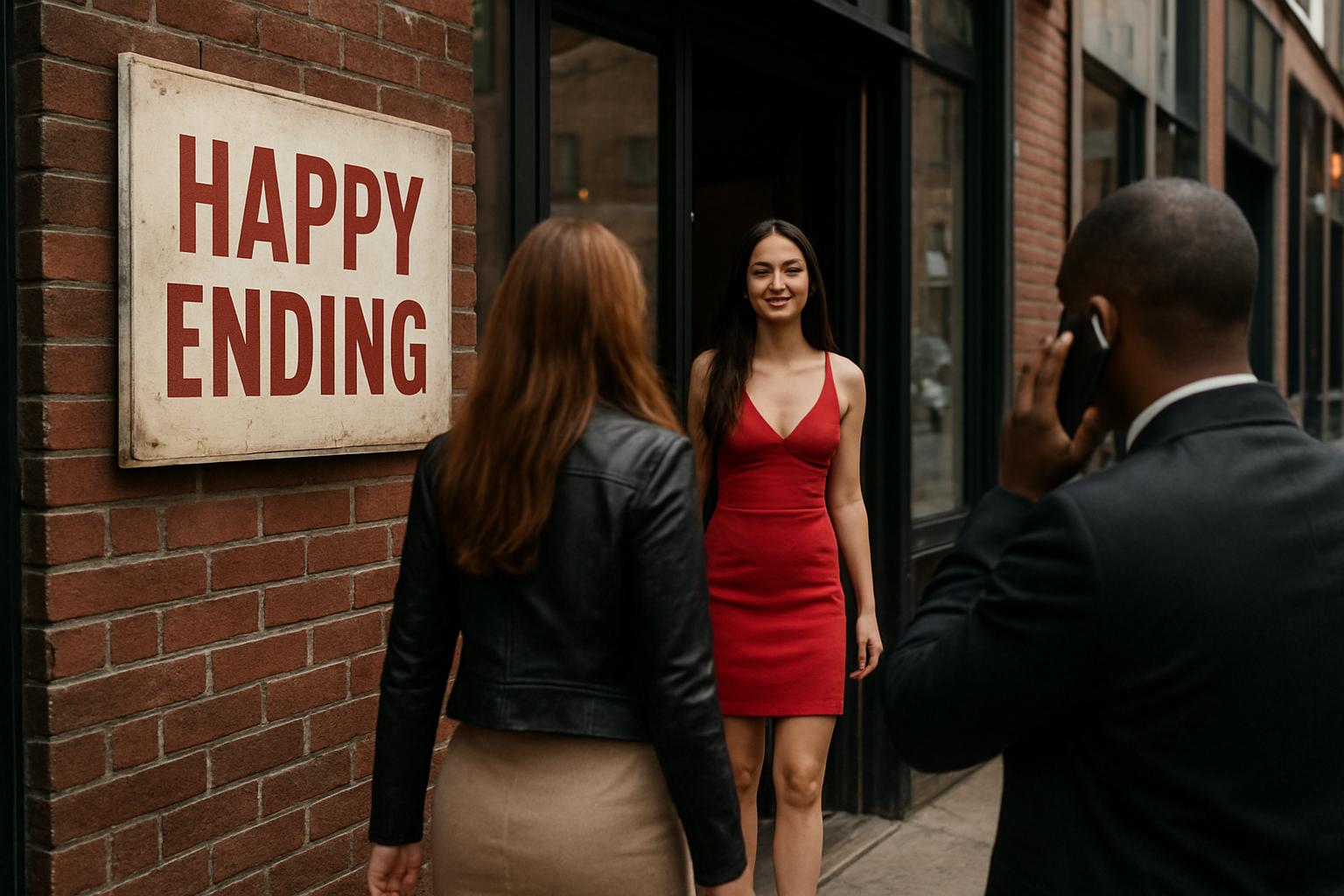
The phrase «happy ending» is commonly used as shorthand for a sexual service rendered at the end of a massage. In New York City, that shorthand collides with the law and with serious safety and ethical issues. This article does not provide directions to illegal services. Instead, it gives clear, practical alternatives and step-by-step guidance on how to meet sexual and sensual needs in ways that are lawful, safe, and respectful of everyone involved.
Below you’ll find an explanation of the legal landscape, the risks of seeking sexual services in unregulated settings, legitimate options that satisfy similar needs, and concrete steps to find licensed professionals or consensual adult environments in NYC. Read through every section—this is meant to be a useful, realistic guide rather than a how-to for breaking the law.
Legal status in New York City and why it matters
Prostitution and exchanging sexual acts for money are criminalized in New York State. That means arranging, soliciting, or accepting sexual services for pay can lead to arrest, fines, court involvement, and a criminal record. Beyond legal penalties, there are immediate personal risks: scams, violence, theft, and exposure to sexually transmitted infections when services occur outside regulated contexts.
Another dimension is exploitation. Many illegal commercial sex operations involve individuals who are coerced, trafficked, or otherwise vulnerable. Seeking sexual services in such settings can perpetuate harm and put you in a position of legal and ethical danger. Understanding these stakes helps explain why it’s important to choose legal, transparent options instead.
Why unregulated «happy ending» offers are risky
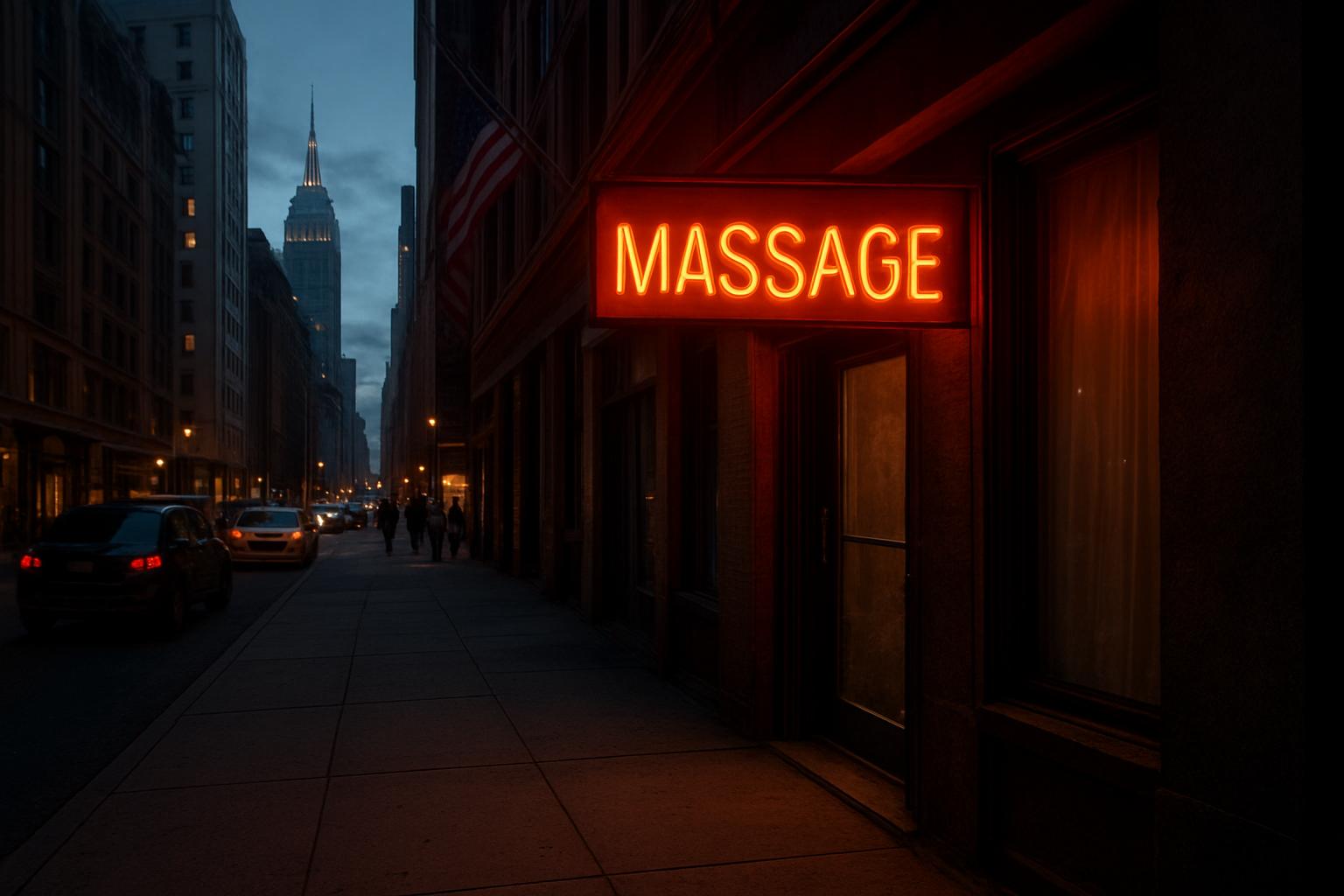
When a massage parlor or street ad implies sexual services, you’re often stepping into an underground economy. The providers may not be licensed; their working conditions could be unsafe; and the venue may be under investigation or run by exploiters. These factors raise risks for both clients and workers.
Financial scams are also common. Some operations lure clients with low prices and then pressure them for large cash payments or extort them with threats. Law enforcement stings are another risk—police may be surveilling locations known for prostitution. The combination of legal, personal safety, and ethical concerns makes pursuing illegal services a poor gamble.
Lawful, higher-safety alternatives that address the same needs
If what you’re seeking is relaxation, physical touch, or consensual erotic connection, several legal alternatives can meet those needs without the drawbacks. Options range from licensed therapeutic massage to sex-positive workshops, adult social venues, and consensual dating or hookup apps that let adults negotiate encounters themselves.
These alternatives vary in cost and atmosphere, but they share two critical qualities: transparency and consent. Providers are clear about services, boundaries are explicit, and legal protections are in place. That reduces the chance of surprises—financial, legal, or physical.
Quick comparison: lawful options
The table below summarizes common legal alternatives, what they offer, and how to verify them.
| Option | What it offers | How to verify legality | Notes |
|---|---|---|---|
| Licensed therapeutic massage | Professional bodywork for pain relief and relaxation | Check NYS Office of the Professions license; business registration | Strict professional boundaries; non-sexual by law |
| Tantra or sensual workshops | Education on touch, intimacy, breathwork in group or private sessions | Research organizers, read reviews, confirm session policies | Often sex-positive but focused on consent and technique |
| Adult nightlife/strip clubs | Consensual erotic entertainment in regulated venues | Valid business license, regulated permits | No sexual contact in many clubs; policies vary by venue |
| Dating and hookup apps | Meet consenting adults for dates or encounters | Use reputable apps, follow platform safety tips | Requires negotiation and clear consent between adults |
| Licensed sex workers (where legal) | Adult services in jurisdictions with legal frameworks | Operate only where local law permits; verify licensing | Not applicable for paying for sex in NYC, where prostitution is illegal |
Step-by-step: how to find a reputable, licensed massage therapist in NYC
If your goal is legitimate relaxation or therapeutic touch, follow a cautious process to find a licensed professional. Start by identifying the service you want (deep tissue, sports massage, relaxation) and then look specifically for a licensed massage therapist (LMT) with verifiable credentials.
Step-by-step:
- Search for therapists on established platforms (clinic websites, professional directories) rather than anonymous ads.
- Confirm licensure with the New York State Office of the Professions or similar regulatory body. A license number should be verifiable online.
- Read recent reviews from multiple sources and look for consistent, legitimate feedback about professionalism and environment.
- Call the clinic and ask about policies: scope of practice, consent, staff training, and what happens if a client or therapist feels uncomfortable.
- Verify payment methods—reputable businesses accept cards, have receipts, and provide clear pricing.
- At the appointment, ensure clear discussion of boundaries and treatment goals before the session begins.
Taking these steps reduces your exposure to unlicensed providers and clarifies expectations in advance.
Checklist for evaluating a spa or therapist
- Visible professional license number and credentials
- Business address and legitimate storefront presence
- Transparent pricing and written consent policies
- Positive, consistent online reviews (not just a few identical posts)
- Clear refusal policy for sexual requests and staff training in boundaries
Use the checklist as a quick filter. If multiple red flags appear—no license, cash-only business, amorphous advertising—walk away and choose another provider.
Ways to pursue consensual adult intimacy legally and safely
If your objective is sexual intimacy rather than therapeutic touch, there are safer, legal paths: meet consenting adults via dating apps, engage with sex-positive communities and events that prioritize consent, or attend workshops focused on erotic connection. These options place the negotiation of consent in the hands of adults, rather than in secret transactions.
Practical tips when meeting adults for sex or dating:
- Communicate expectations clearly and early; consent must be explicit and ongoing.
- Meet in public places first, and tell a friend your plans for safety.
- Use protection (condoms, dental dams) and consider regular STI testing.
- Be wary of offers that involve payment for sexual services—these can be illegal and risky in NYC.
Health resources and harm reduction in NYC
Your sexual health matters. NYC has many resources: free and low-cost STI testing clinics, PrEP providers for HIV prevention, and confidential sexual-health counseling. Regular testing and open conversations with partners are simple, effective ways to reduce health risks.
Consider these harm-reduction steps:
- Find testing sites through the NYC Department of Health or Planned Parenthood.
- Ask about PrEP if you are at risk of HIV—PrEP reduces transmission dramatically and is available through many clinics.
- Carry and use condoms consistently; they protect against most STIs and are widely available at clinics and pharmacies.
- If you or someone you know works in the sex trades and needs support, contact local advocacy groups offering services, legal guidance, and medical help.
What to do if you encounter trafficking, coercion, or illegal activity
If you suspect that a venue or person is involved in human trafficking or coercion, prioritize safety and report it. The National Human Trafficking Hotline (1‑888‑373‑7888 or text 233733) is available 24/7. In emergencies, call 911 and report any immediate threat to life or safety.
If you are a worker in an unsafe situation, seek confidential support from organizations that provide legal assistance, health care, and exit services. Do not confront suspected traffickers on your own; contact law enforcement or a specialized support service that can intervene safely.
A final practical guide: what to do and what to avoid
Do:
- Choose licensed, transparent providers for massage and bodywork.
- Use sex-positive, consent-based communities and events for adult intimacy.
- Practice harm reduction—regular testing, condoms, and PrEP where appropriate.
- Report suspected trafficking or coercion to authorities or hotline services.
Don’t:
- Answer anonymous ads that promise sexual services; they often signal illegal or unsafe operations.
- Ignore red flags like cash-only payments, hidden addresses, or pressure to keep transactions secret.
- Assume all adult businesses are legal—verify licenses and read reviews before booking.
- Put yourself or others at risk to obtain a sexual service—there are lawful alternatives that protect everyone.
Additional reading and resources
For up-to-date lists of licensed practitioners, visit the New York State Office of the Professions website to verify massage therapist credentials. For sexual health services, check the NYC Department of Health or Planned Parenthood’s site for clinic locations and testing information. For support around exploitation or trafficking, use the National Human Trafficking Hotline or local advocacy organizations that specialize in survivor services.
These resources are practical, confidential, and designed to keep you and others safe while you pursue intimacy, relaxation, or sexual health within the law.
Conclusion
Seeking a «happy ending» in NYC through illegal channels carries legal, health, and ethical risks; instead, pursue licensed massage therapists, sex-positive consensual settings, or dating and social avenues that prioritize consent and safety, and use local health and support resources to reduce harm and verify legitimacy.